


If there's one thing I've noticed down through the years, it's that as racing cyclists, we spend much of our time caught between two mindsets: looking ahead to the season to come, and looking back at the one just gone. When a race doesn’t go to plan, it’s easy to think about what could have been done differently last winter. When the off-season arrives, it’s tempting to believe that simply repeating a successful winter or riding more will guarantee success next year.
But better winters and bigger summer smiles don’t just happen. They need a strategy.
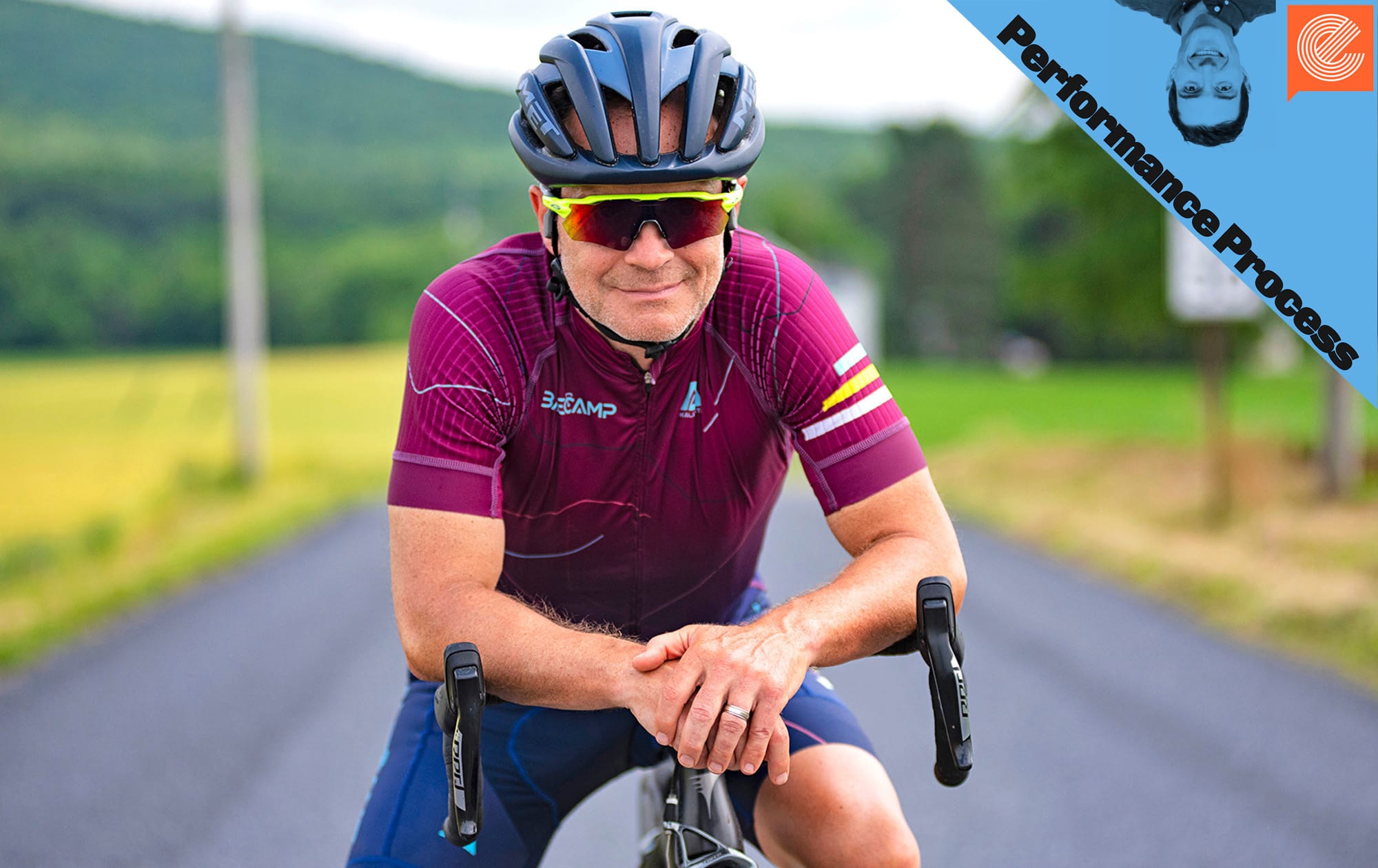
That’s the focus of this week’s Performance Process, where I’m joined by Tim Cusick, world-class coach, WKO5 product leader, and founder of BaseCamp coaching. Tim has worked with World Champions and Olympians, and he’s spent years teaching both athletes and coaches to think about training as a process, not just a plan.
We dig into the fundamentals of annual training strategies: why rigid, time-fixed boxes on a calendar rarely work in reality, how to know when it’s time to move on to the next training phase (or hold steady a little longer), and how data can inform our decisions without becoming the master of them. Crucially, we also explore the other side of the equation - how reviewing the season just gone is as important as planning for the one ahead.
This conversation was prompted by a 2021 webinar by Tim on annual training concepts that I recently rewatched, which remains relevant today, but also got me wondering if our approach to formulating annual training plans has changed in the four years since. Tim agreed to answer that question on this episode of Performance Process.
If you’re wondering how to plan for next season, whether annual training strategies are outdated, or if there’s still value in stepping back to take the big-picture view, Tim provides some excellent insight that will surely prove useful in preparing your strategy to achieve your next goals.
Did we do a good job with this story?