


Last month, in my contribution to Escape's Collective Favorites entry for water bottles, I stated my (and my family's) goal to trend away from purchasing and using items made from plastics. Well, at least for items that directly or indirectly come into contact with my body. While I realize microplastics are everywhere, and even having the choice to limit my exposure is a privilege, I'm trying to do what I can to reduce those particles from entering my body – from wearing wool and cotton clothing to using metal drinking vessels and glass food storage containers.
It's no secret that tiny pieces of plastic and forever chemicals are everywhere, and avoiding them is next to impossible. However, studies showing a connection between plastic/chemical consumption and significant health risks, such as this one, are overwhelming. So, I figure it's worth the effort to minimize exposure as much as possible. And, anecdotally, I'm of the opinion that drinking coffee from my titanium coffee mug tastes better than out of a plastic-lined paper cup, and riding in a technical wool jersey offers better temperature regulation and moisture wicking than a synthetic alternative.
 Suvi Loponen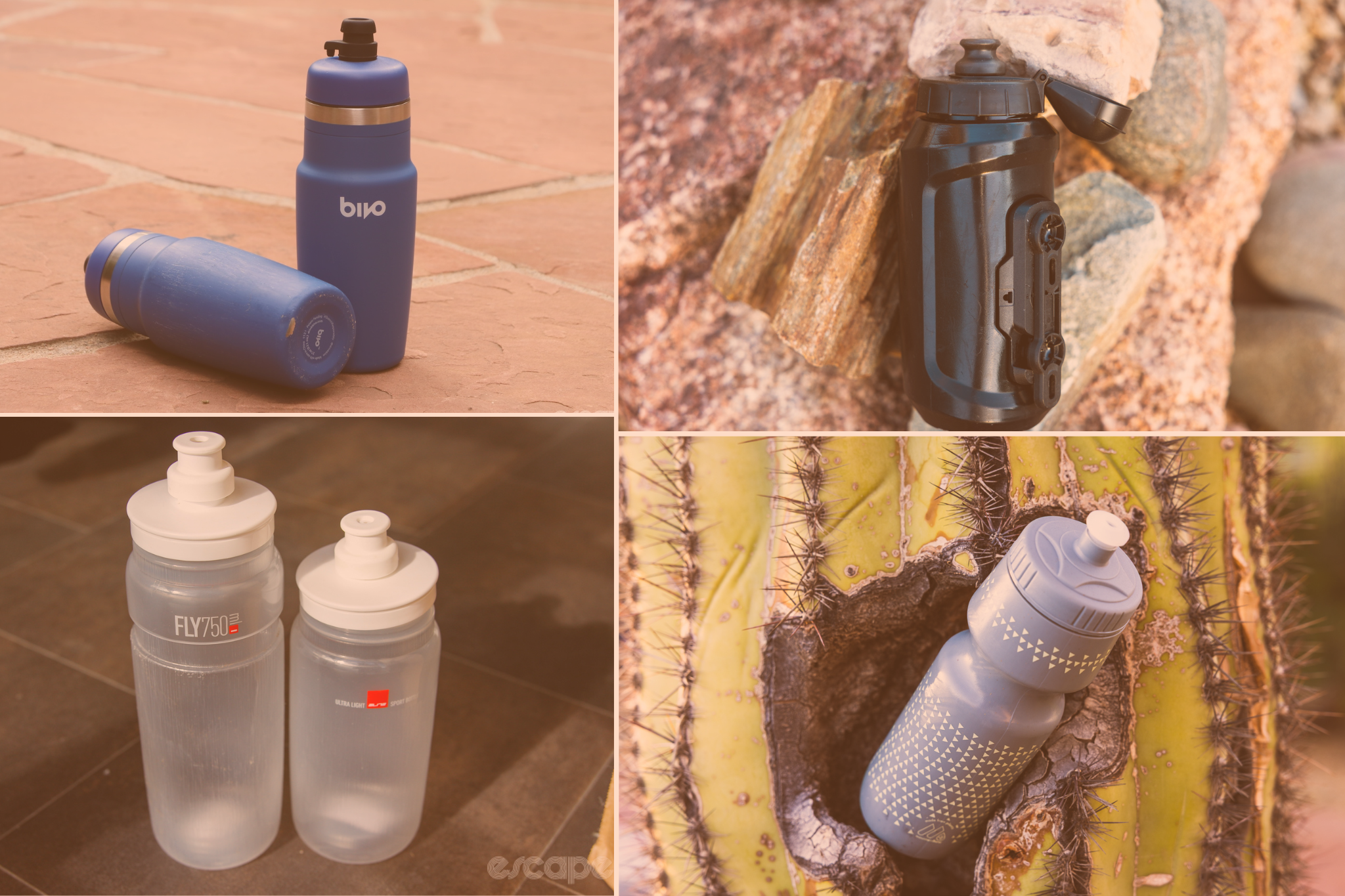
I'm apparently not the only one, as many commenters responded to the Favorites article in agreement, sharing personal experiences with metal hydration bottles and even adding a hybrid model to the list that I was not previously aware of (from Keego, but which didn't make this test because it appears quite different from the full steel bottles looked at here). Of course, metal sport bottles are nothing new, with the likes of Sigg and Kleen Kanteen entering the market decades ago. However, cycling-specific bottles have recently gained popularity for their particular shapes and high-flow spouts, which cater to cyclists better than standard cylinders with screw-top lids. However, they're hard-sided and heavier than plastic, so your fans might not appreciate it very much when you throw a metal bottle while they cheer for you along the sidelines.
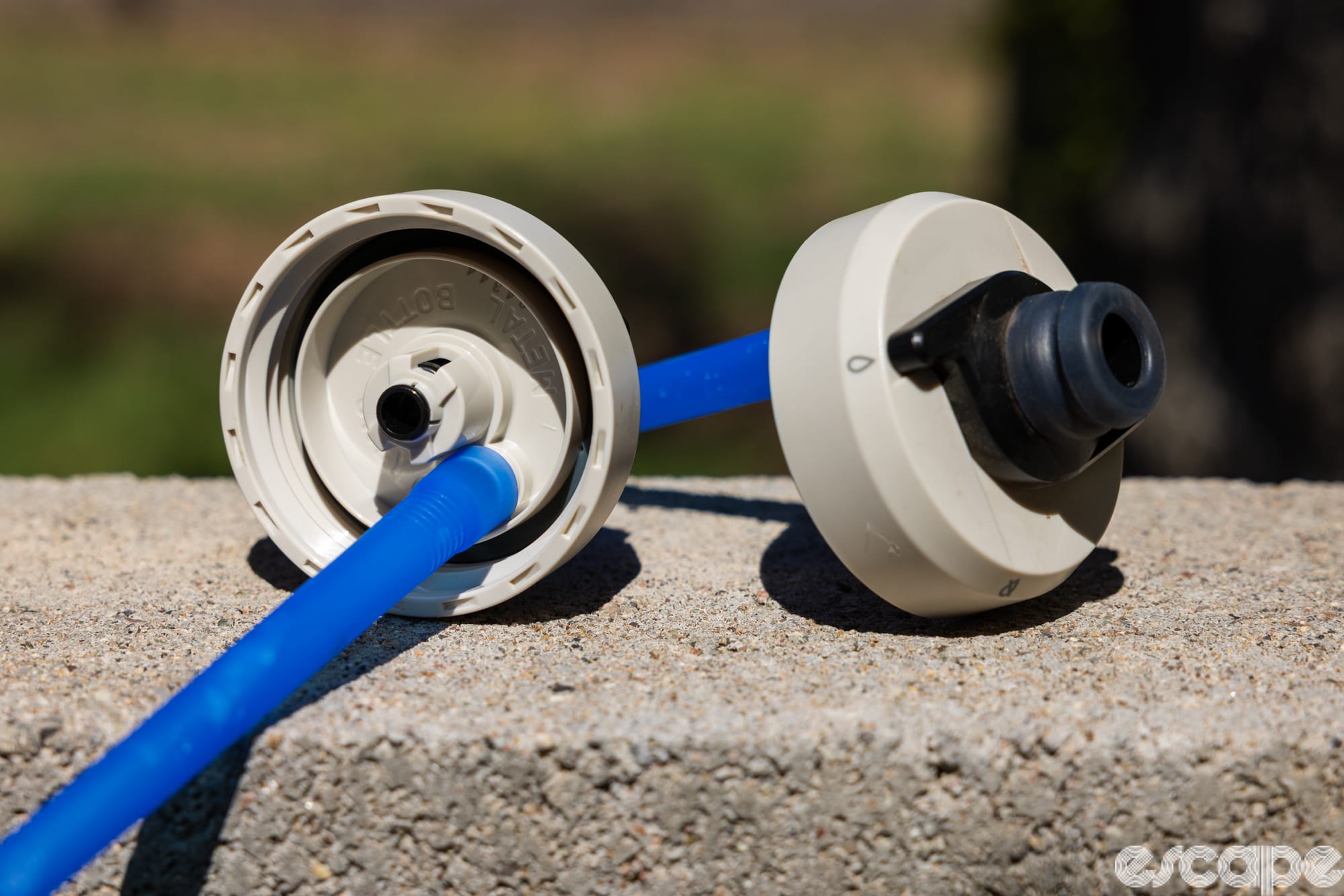
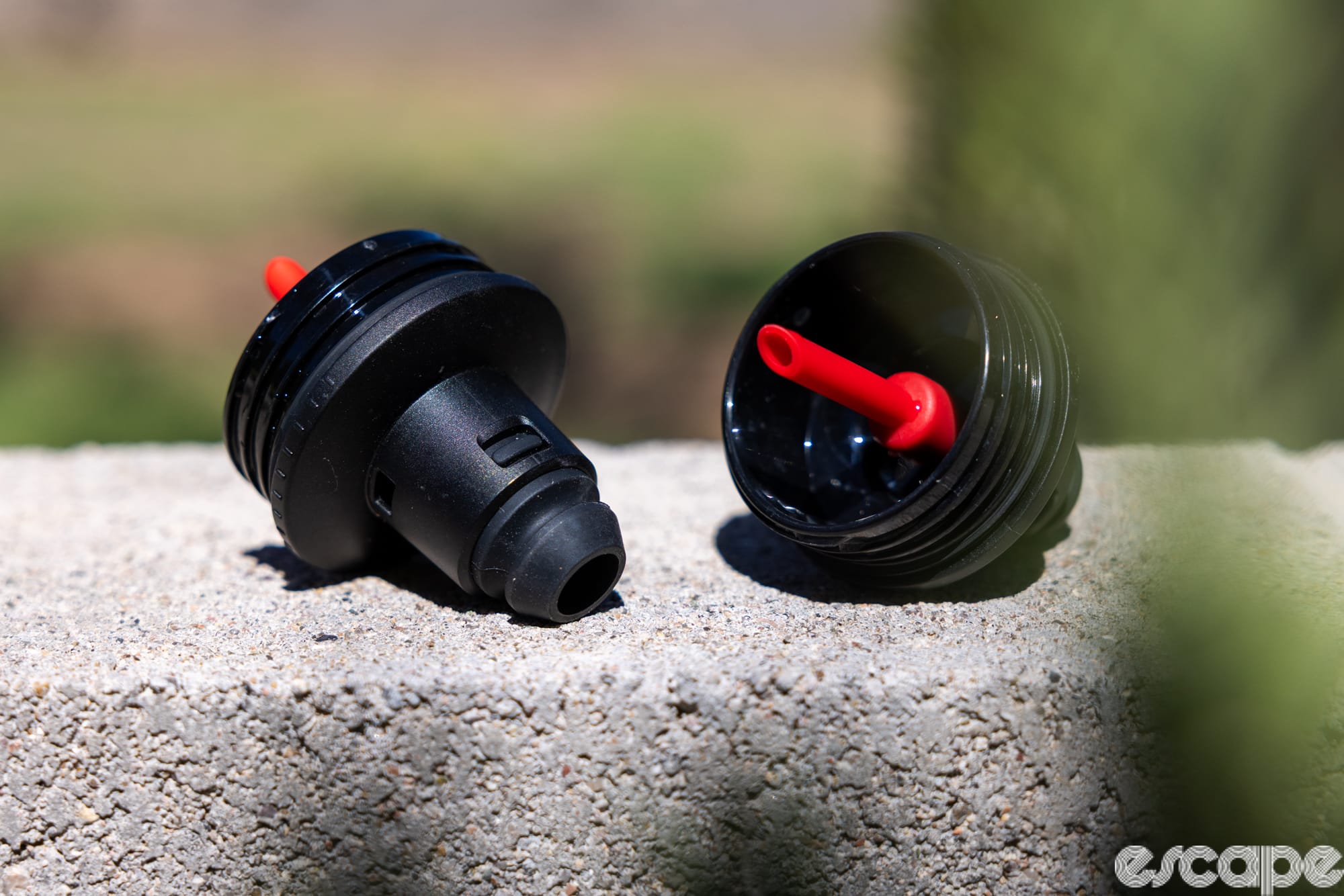
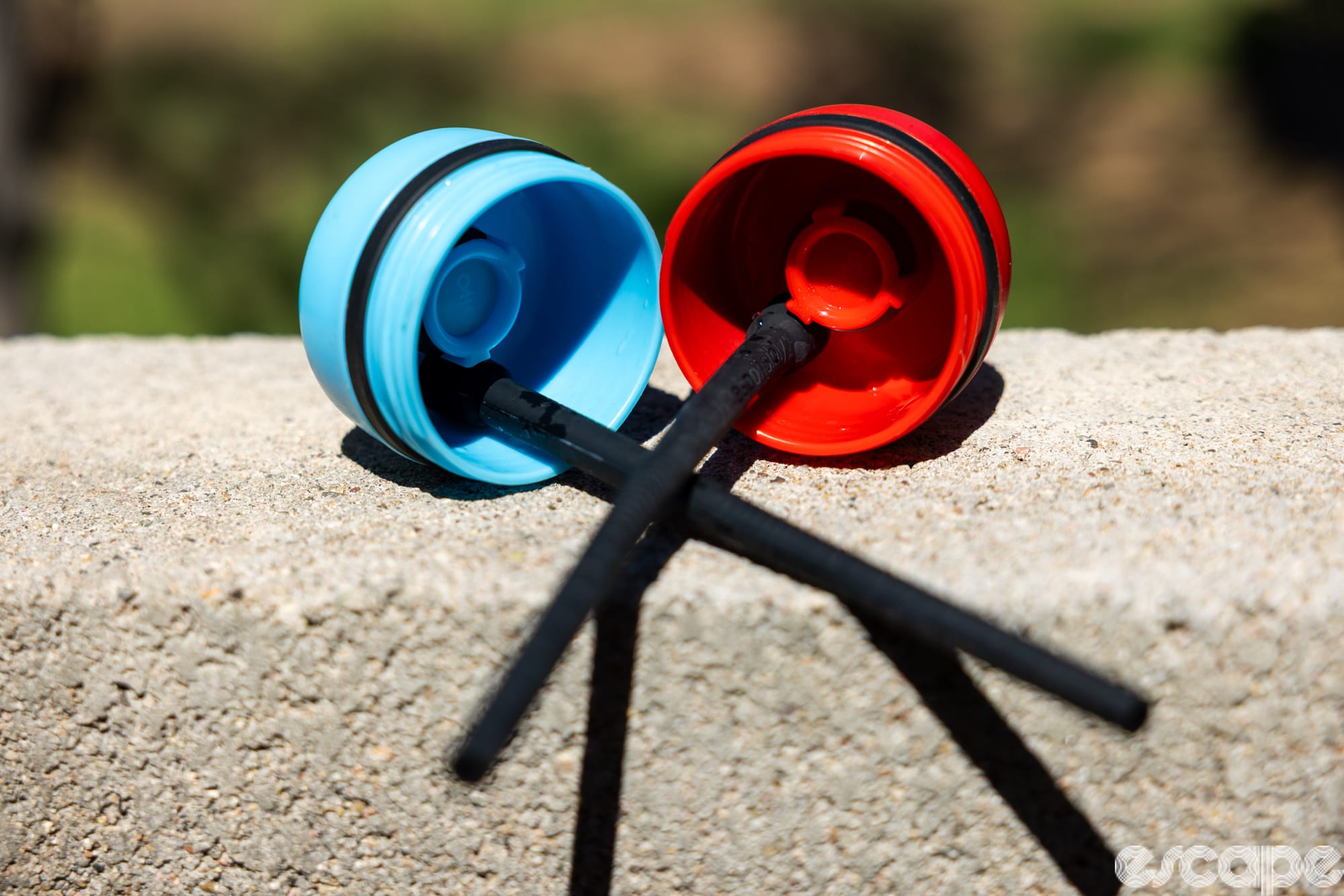
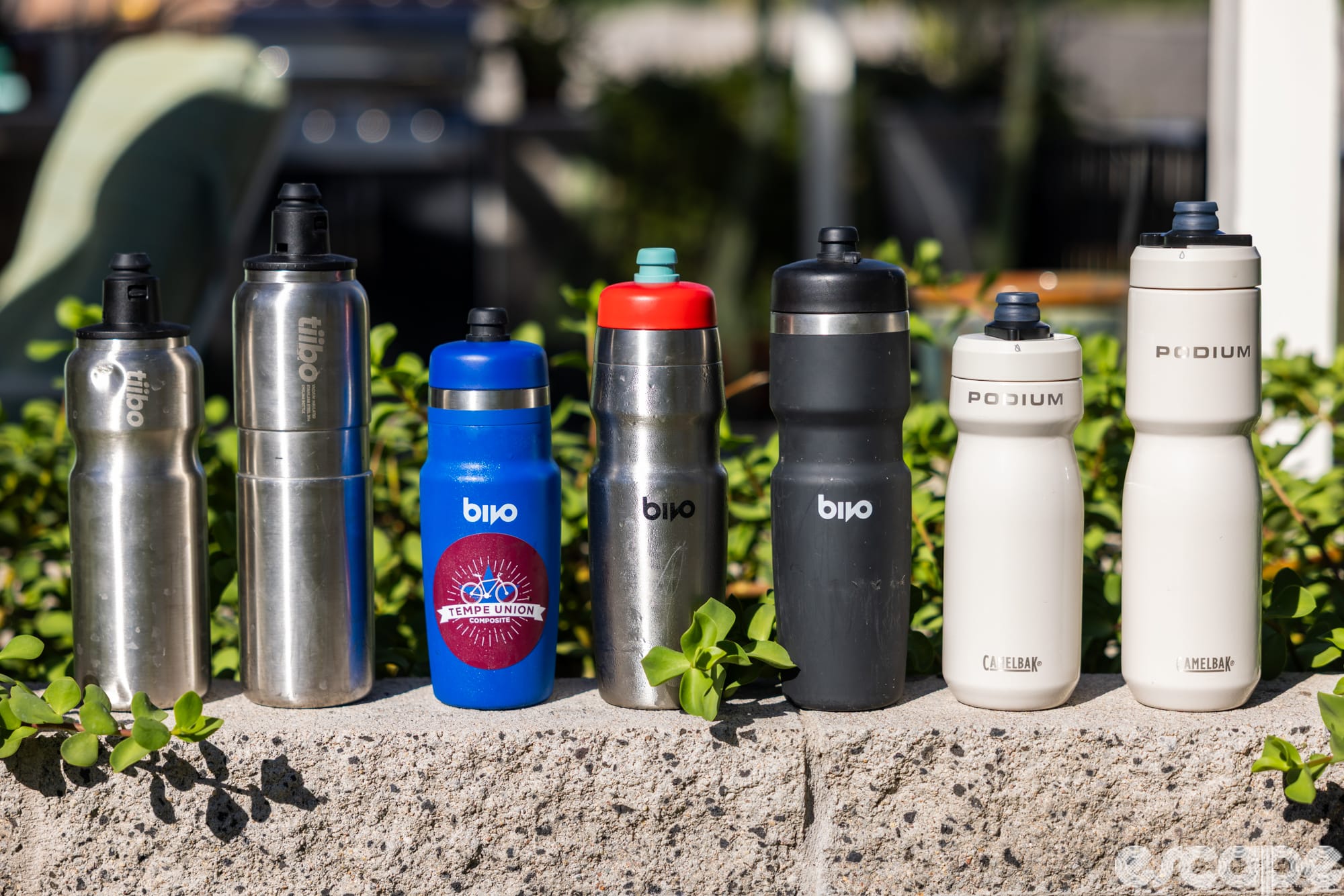
CamelBak, Tiibo, and Bivo spouts take slightly different approaches to achieving the same goal.
Metal bottles are a tradeoff from the plastic ones that have been cycling's mainstay since high-density polyethylene (HDPE) gained prevalence in the 1950s. For example, metal versions are often slightly heavier, don't fit as well in some standard bottle cages, can be tricky to clean, and flow too fast (or slow) for some cyclists' liking. Yet, they can offer better temperature regulation, are more durable, leave fluids tasting better, and, importantly, don't leach tiny plastic particles and chemicals into beverages.
 James Huang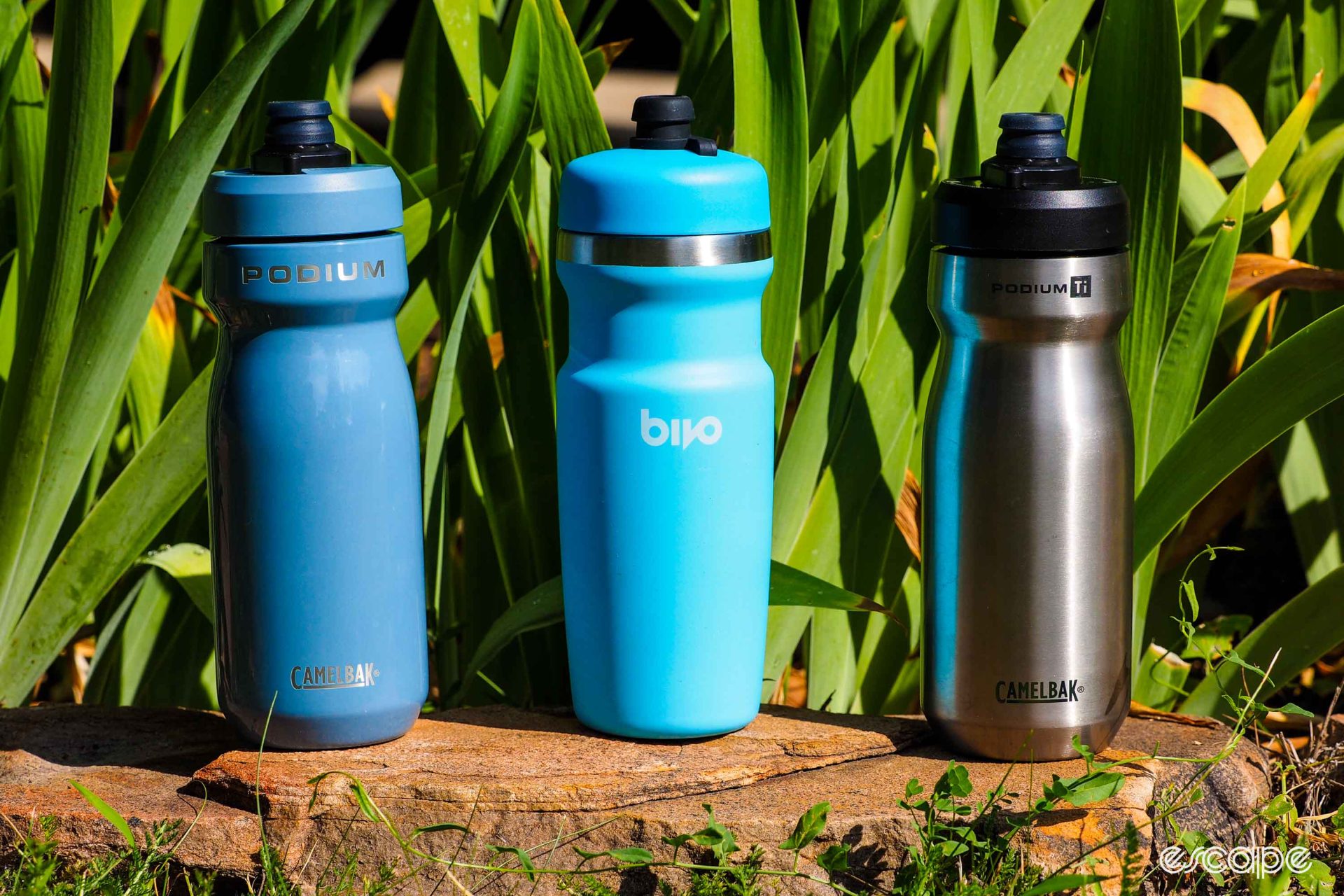
The biggest upside to metal cycling bottles is their double-walled insulation. Similar to the double-walled Thermos I used to take to construction job sites – which would keep my coffee warm for the entire day – insulated metal water bottles use the same type of construction to separate cold liquids inside from warmer air temperatures outside. This is in comparison to plastic containers that are more porous and allow warm air to seep in faster over time.
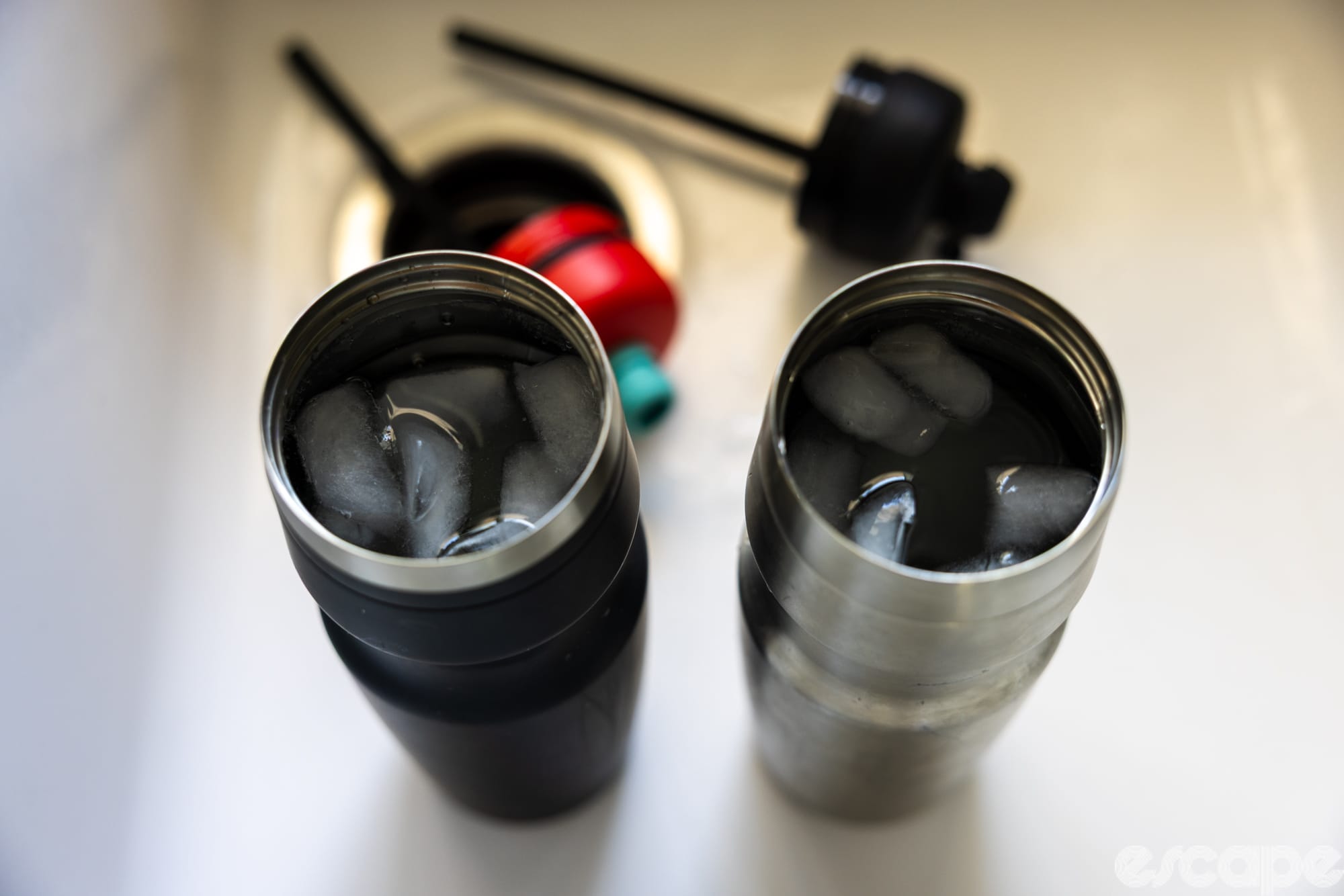
Insulated bottles also present a tradeoff between size and capacity however, as the insulated double-wall construction takes up valuable interior space. For comparison, a non-insulated 26 oz Purist bottle is about the same size as the largest 21 oz insulated Bivo Trio. That's a difference of five precious ounces of liquid that desert dwellers like me need every drop of. Additionally, the extra material creates a weight penalty. The 26 oz Purist weighs 140 g less than a comparably sized 21 oz Bivo Trio, with the latter holding less liquid. This is one reason why, even in extremely hot weather, I opt for higher-volume, non-insulated options.
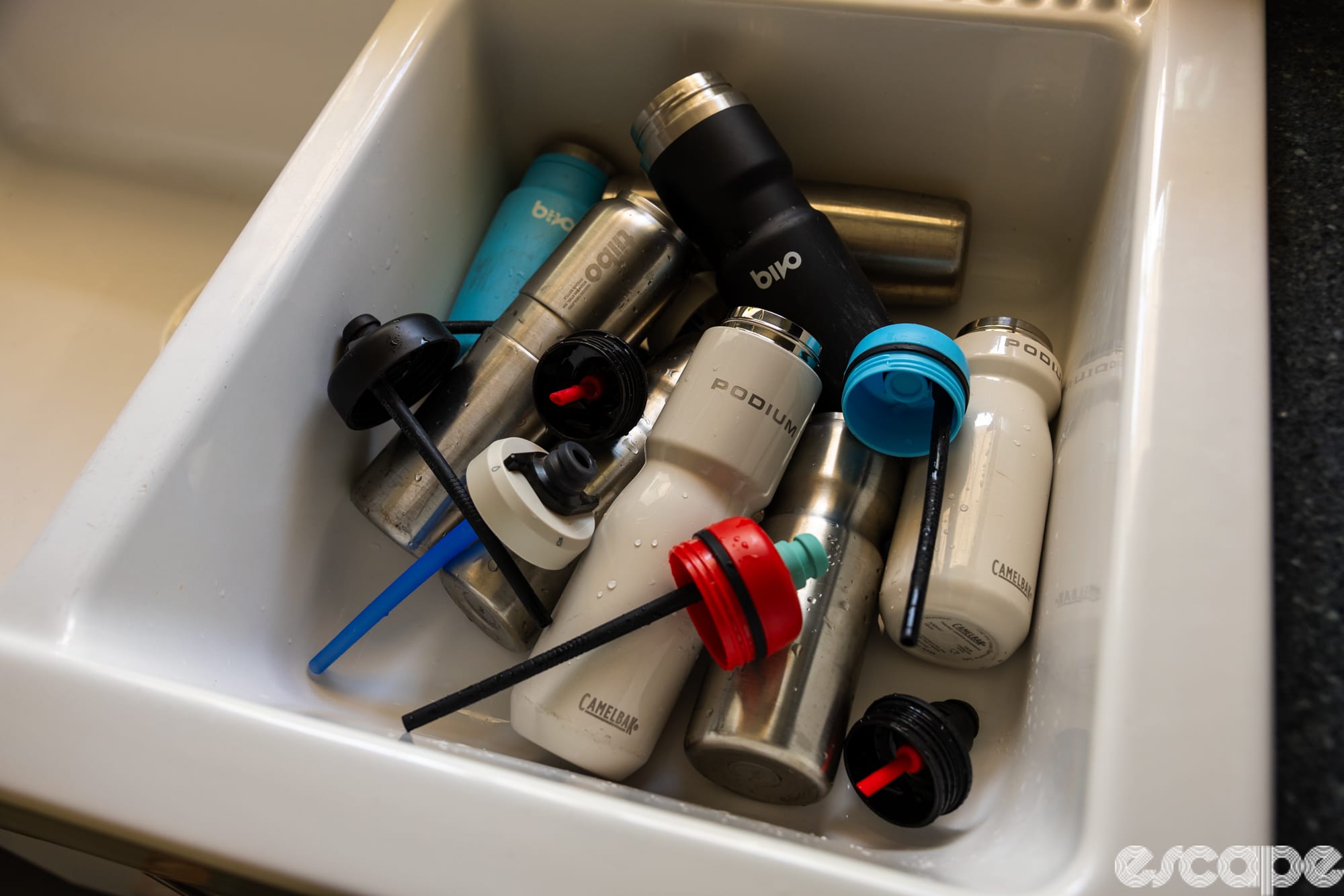
I've been acquiring and using bottles from Bivo, Tiibo, and CamelBak, comparing each in terms of weight, size, cage fitment, temperature regulation, flow, and ease of cleaning to build on Escape's previous exploration of insulated stainless bottles.
| Bottle | Volume (fl oz / ml) | Weight | Price (USD) |
|---|---|---|---|
| Bivo Trio | 21 / 621 | 275g | 49 |
| Bivo Trio | 17 / 502 | 240g (claimed) | 44 |
| Bivo One Lightweight | 21 / 621 | 163g | 44 |
| Bivo Duo Lightweight | 25 / 740 | 175g | 35 |
| CamelBak Podium Stainless | 22 / 650 | 357g | 44 |
| CamelBak Podium Stainless | 18 / 533 | 305g | 39 |
| Tiibo Stainless | 23 / 680 | 330g | 40 |
| Tiibo Stainless | 17 / 502 | 250g | 35 |
My time spent temperature testing, cage fitting, guzzling water, and writing was funded by Escape's wonderful members. Thus, to read the contents of this article below, you must be a member. If you haven't already done so, please consider signing up.
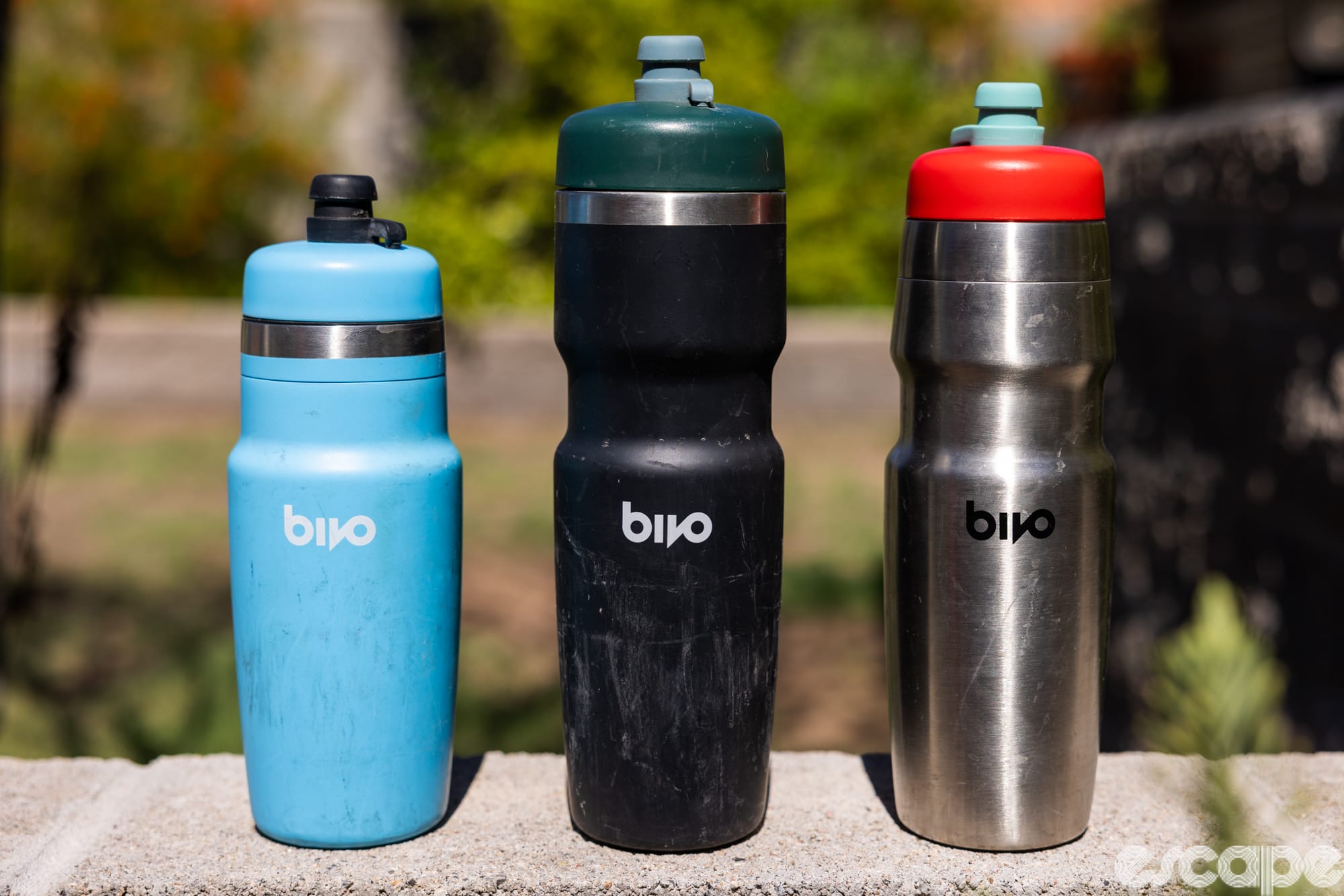
Bivo
I'll kick off this roundup with Bivo. I've been using stainless steel bottles from the Vermont-based brand since its inception nearly five years ago. It currently offers the widest selection of metal cycling-oriented bottles on the market, featuring both insulated and non-insulated versions in two sizes each. Bivo appears to be the leading brand in the space, fully committed to building a robust product lineup and associated instructional content around its bottles.
Did we do a good job with this story?