


Water bottles. Usually, on any given ride, you're carrying at least one of them because they're how we fuel and hydrate our efforts. But like pedals, quite a few of us don't necessarily pay too much attention to them unless there is something that bothers us.
Too stiff a bottle, and you’ll hate using it. Too soft and it might be impossible to securely hold, or stay in the cage. Drips and leaks, moldy valves, bad tastes, bottles that eject themselves on the first gravel descent … there's a surprising amount that can go wrong with such a seemingly simple item.
And yet, when you find your bottle – the one that fits just right in the cage, doesn't make strange sounds, and gives you a good gulp of water when you want it, you just know. This is the one.
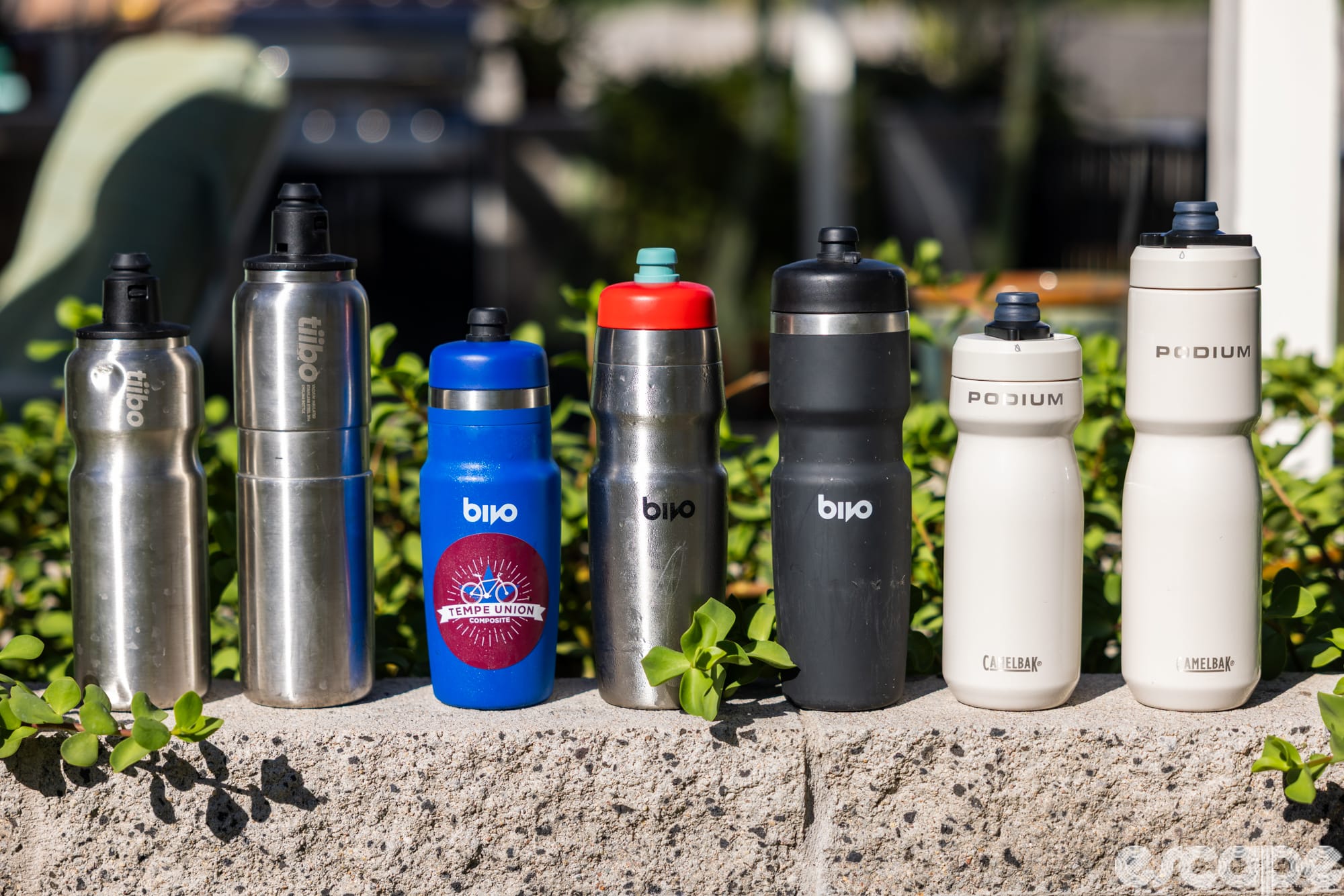
So, for this instalment of Collective Favourites, we've taken a look into our team's and yours – our members' – favourite water bottles. There are some clear winners here, favoured for their simplicity, easy-clean design, or environmental cred. And some of us simply ride with what we got for free.
Different types of water bottles
As said before, the basic requirement for a bottle is obviously to hold your liquid of choie securely. But in addition to that, a good bottle should be easy to drink from with one hand, sit securely in your cage over rough surfaces, and clean up without fuss. Flow rate is the first thing you'll notice; high-flow caps make frequent sips normal and turn hot days into less of a chore.
The fit on the bottle cage matters just as much: bottle diameter, wall stiffness, and surface texture decide whether a full bottle stays put or rattles out.
Cleaning is the third pillar. Lids that come apart and smooth interior walls keep flavours neutral and mold at bay.
From here, you get to picking the material. Most cycling bottles are made from polypropylene or low‑density polyethylene, a soft and squeezable plastic. They're the ones that the pros keep offering in the hundreds over the racing season as souvenirs to bottle-hungry fans.
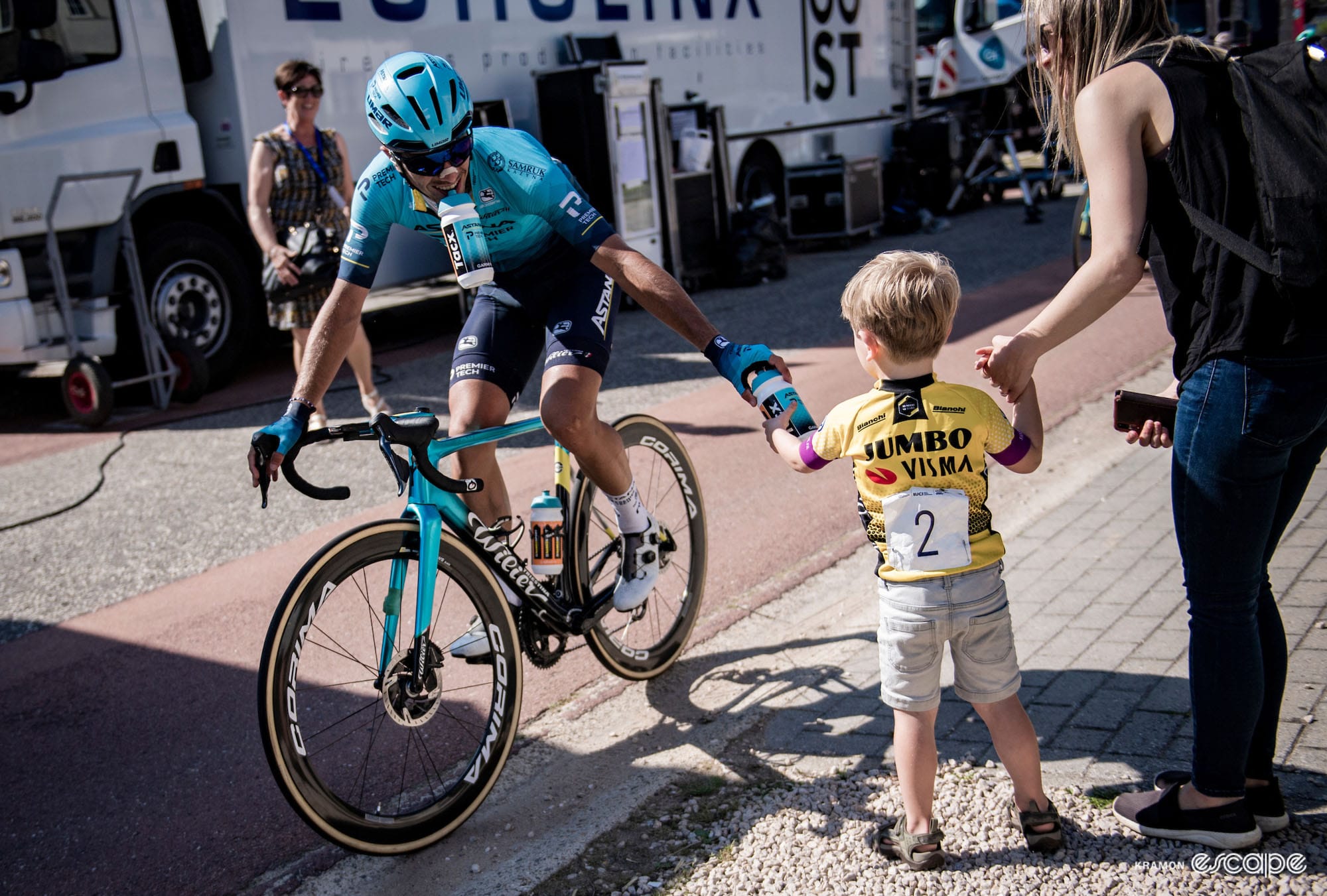
These soft bottles are the lightest and usually offer the best flow and an easy squeeze. However, they also wear out quicker, especially with certain bottle cages.
Insulated plastic bottles get an added liner or foam layer that keeps liquids colder for longer. The trade‑off is a small increase in size and mass, slightly less capacity and, depending on the cap, a slight reduction in flow. For most riders, this is the pragmatic middle ground for warm climates (for cold-weather rides, you should never put hot liquids in plastic bottles).
Metal bottles, typically stainless steel and sometimes vacuum‑insulated, win on durability and – for insulated versions – thermal performance, and are plastic-free. They are heavier and not "squeezable," and some run larger in diameter than standard cages prefer. They shine on those stop‑start adventure rides, and less so for hard efforts where one‑handed squeeze and fast flow are important.
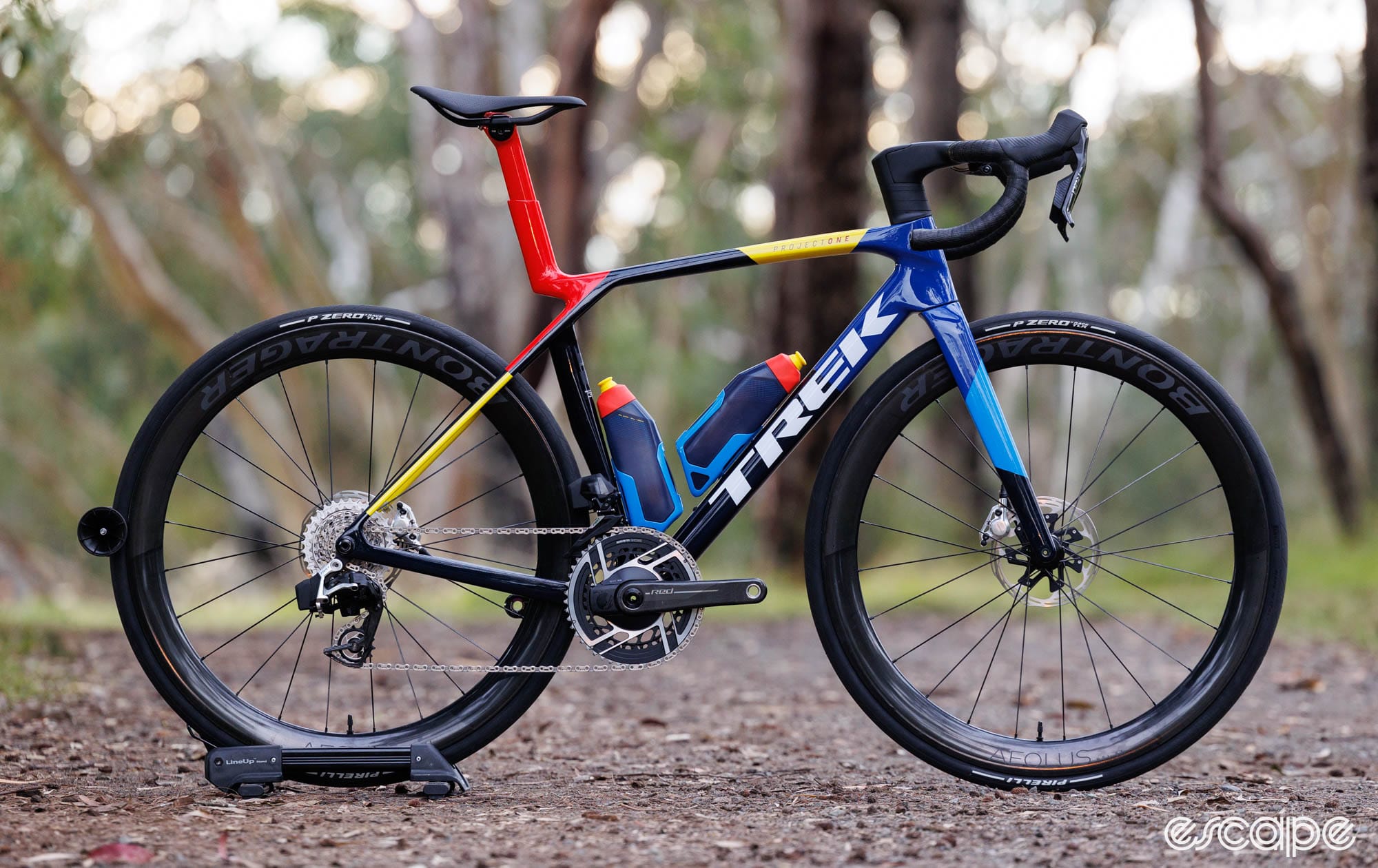
And if we talk about different styles of bottles, then proprietary aero bottles should get a mention, too. Aero-optimised bikes, such as the Trek Madone (below) can offer even more watt-savings if you equip it with these fancy bottles. At least that's what they say.
But in addition to the bottle body, you need to consider the lid and nozzle, too. Self‑sealing, jet‑style valves let you drink without pulling a spout and often add a lock for leak‑proof transport. Push‑pull spouts, on the other hand, are simple and can deliver excellent flow, but they rely on you to open and close them with your lips, teeth, or fingers. Also worth noting is that while they might seem so, lids are not usually cross-compatible across brands.
What size to go for?
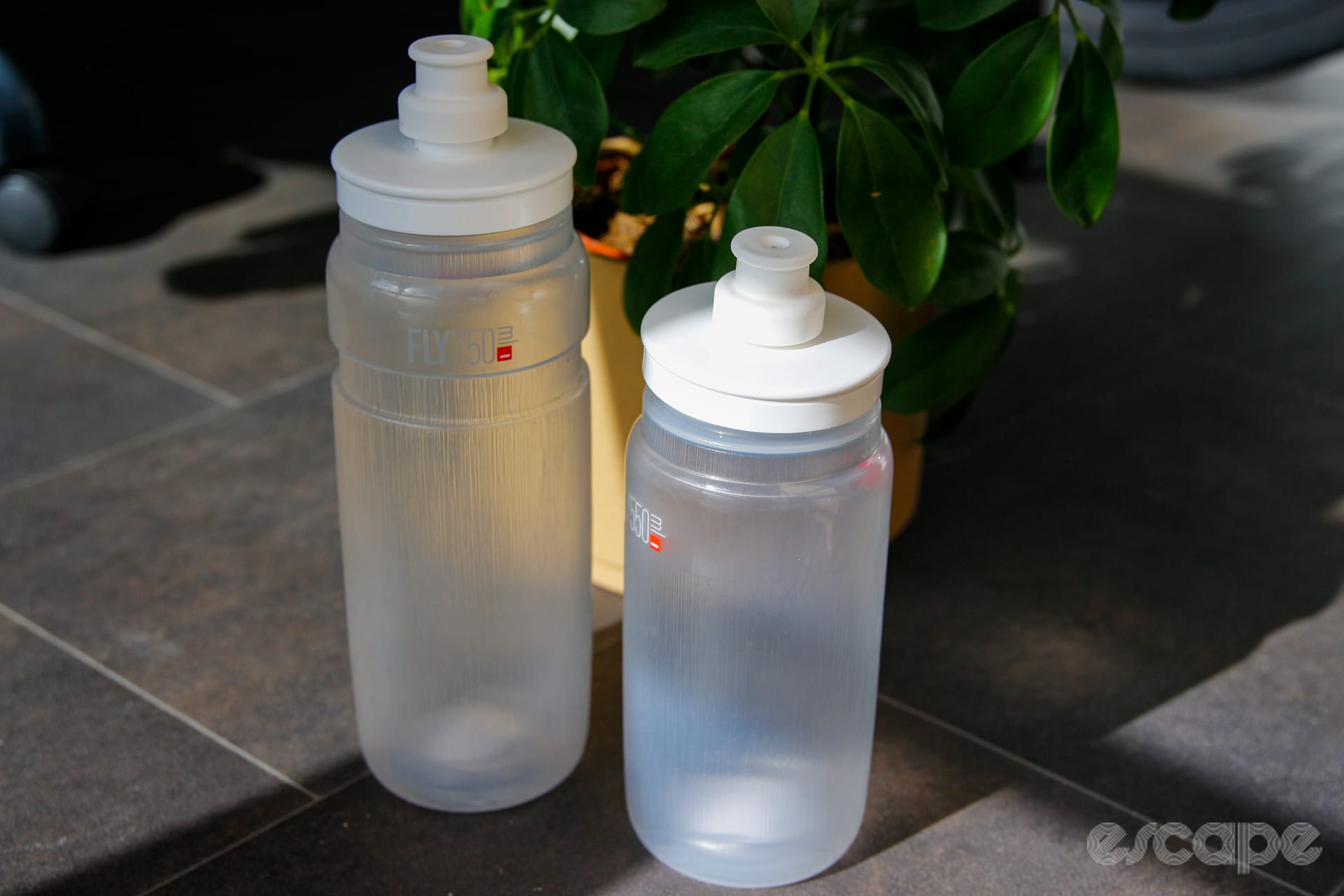
The size and shape of your water bottle, while also a personal choice, are also sometimes limited by your frame size and design, any frame bags you're using, and your bottle cage. Most riders are well served by 500-600 ml bottles on regular days and 750 or even 1,000 ml options when it's hot or mid-ride refill opportunities are scarce. How much you like to drink influences things, but also how long and how hard you are riding.
When speaking with Ellen McDermott, a cycling nutritionist, about our favourite supermarket snacks, we also talked about general fueling and McDermott highlighted how those riding with larger bottles are more likely to also drink more. Even if you know you could refill, it's easier to trust that you have enough water when you ride with two 750 ml bottles than if you have only one 550 ml one.
And when it comes to the actual drinking frequency, everyone's different, but one of the most common tips in long-distance riding is to drink whenever you see someone else in the group drink. This, obviously, doesn't work if you ride alone, but you can also program your cycling computer to remind you if you struggle to drink enough.
Bottles and cages work as a system, and we've already covered our favourite cage picks in an earlier iteration of the Favourites series. The cage plays an important part in keeping the bottle secure, but you do need to make sure that the two work together.
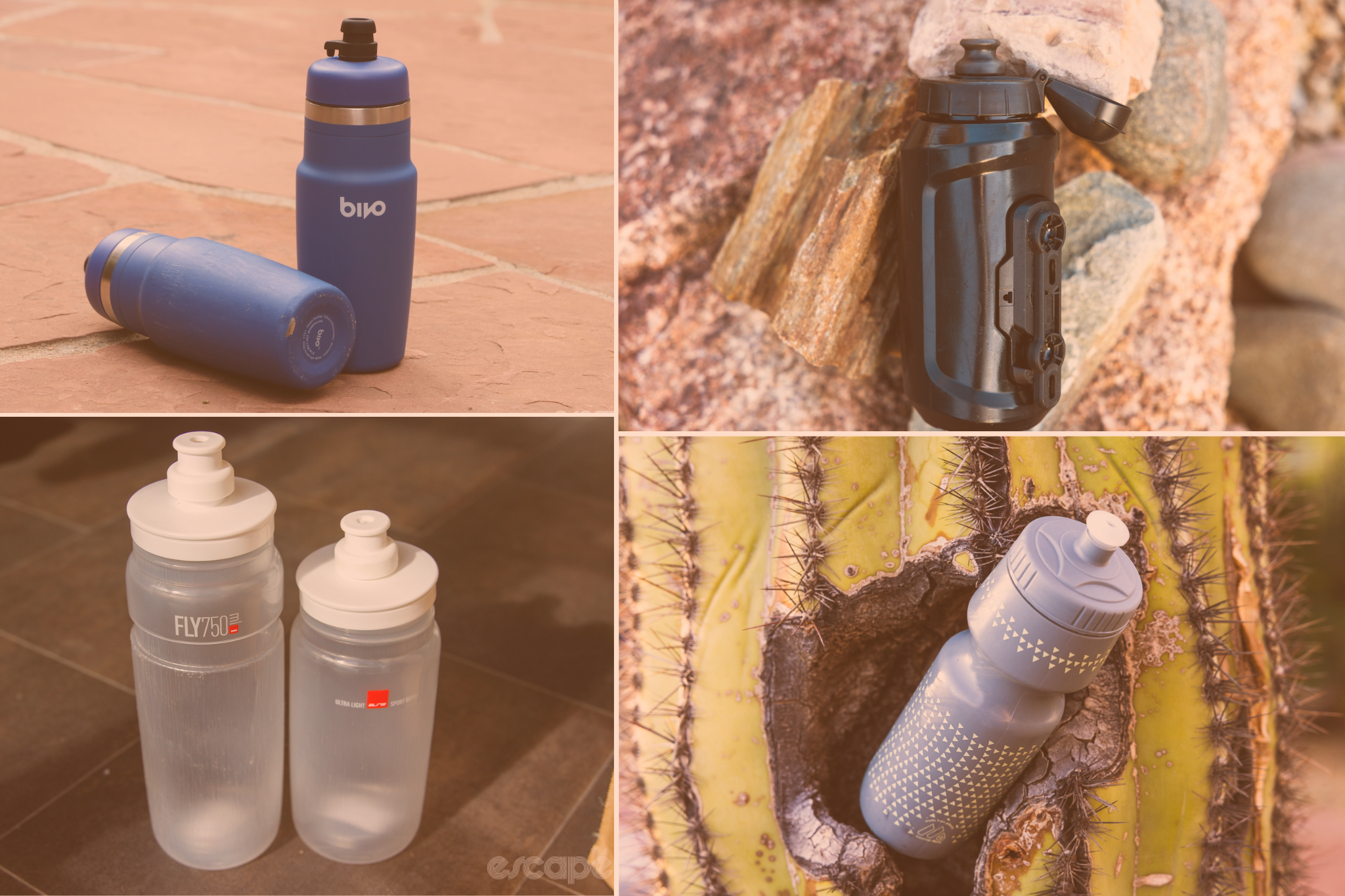
Some bottles come with slightly textured outer walls – like the Elite Fly Tex – which should improve hold without making removal a fight. Softer, plastic cages can let bottles move more; metal cages in steel or titanium tend to be tighter, while very light carbon cages can be either, really depending on the bottle they’re paired with.
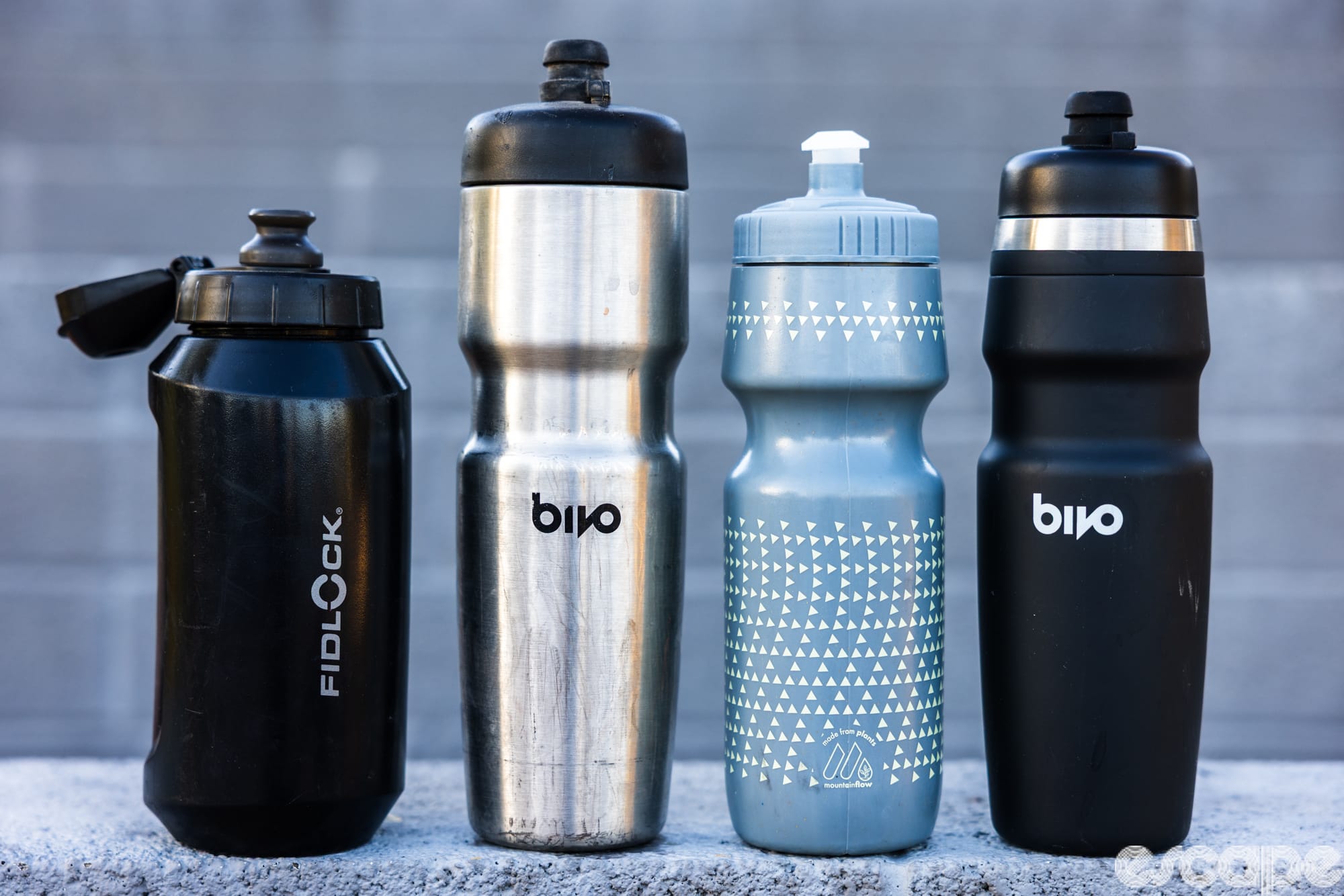
Small frames benefit from side‑entry cages, which solve many access issues with taller bottles (same volume bottle migh differ in height, too). There are also systems such as Fidlock, which basically utilise two small tabs that attach to the bottle and release with a twist. This requires very little frame space to function, and as such is a good choice for mountain bikes and bikes with small front triangles, in general.
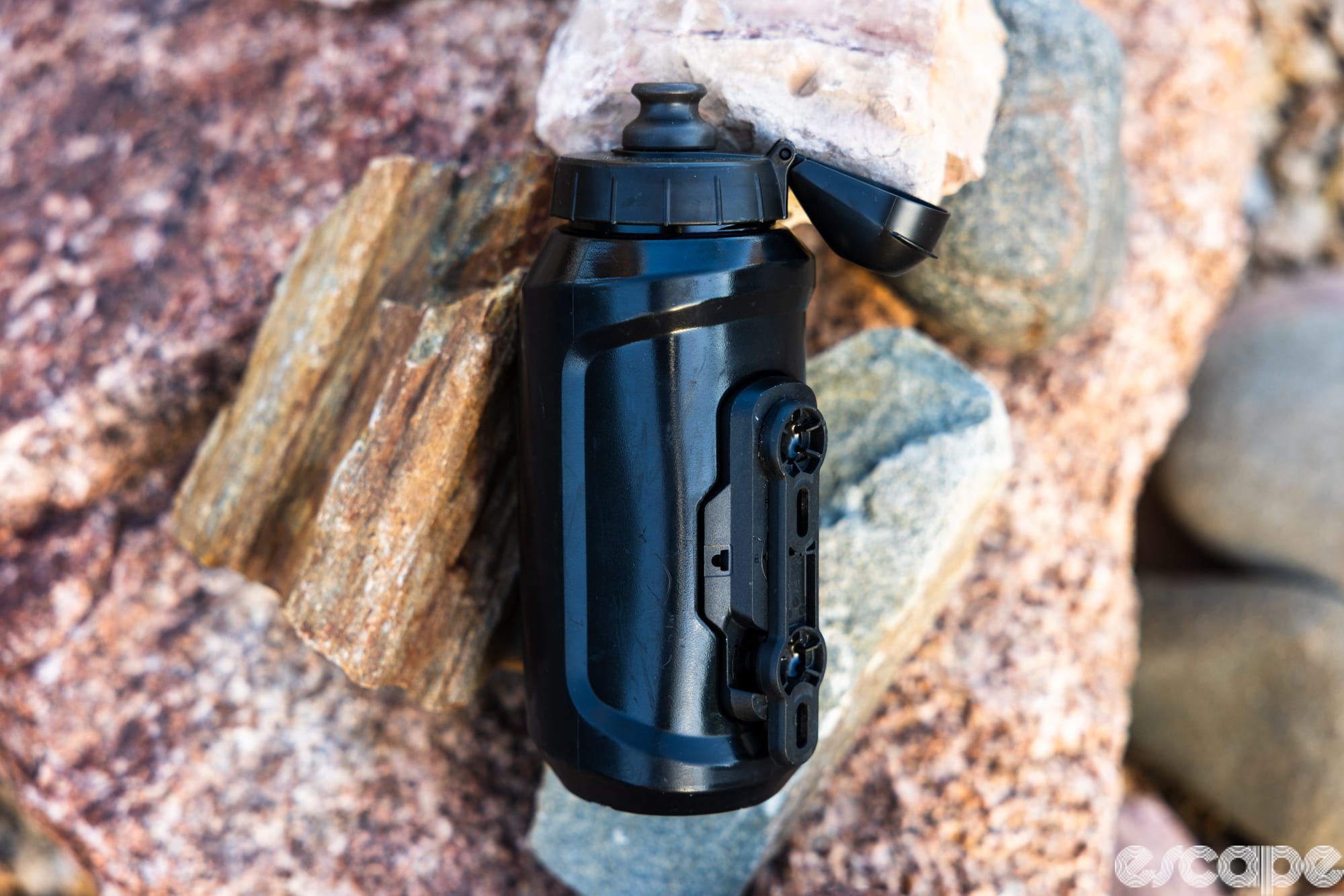
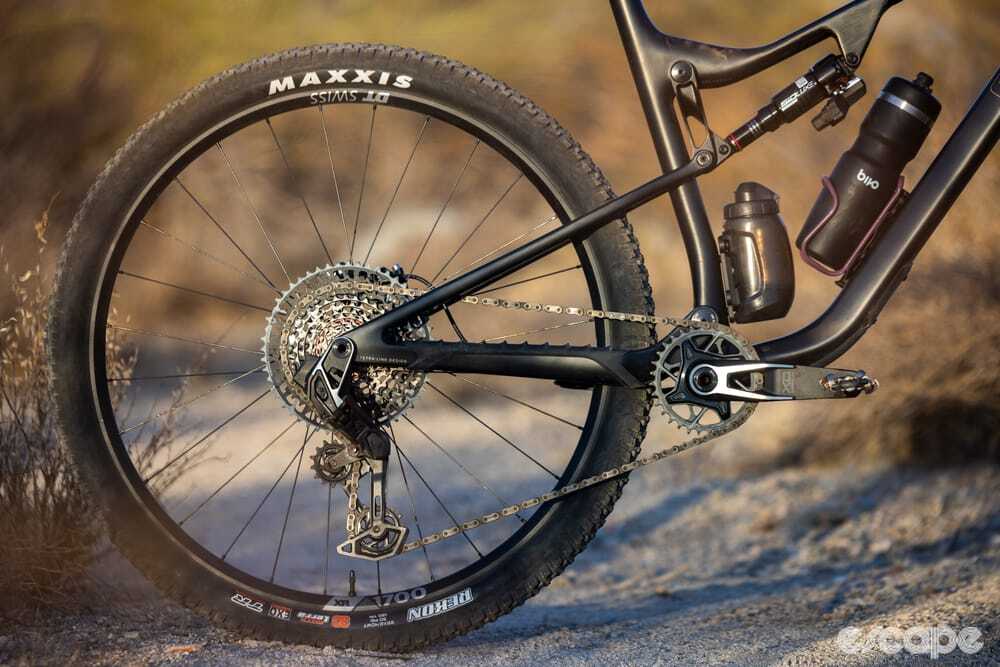
Of course, you can also opt for a combo like Josh does here – a Fidlock bottle for the seat tube, and Bivo for the downtube.
Bottle maintenance
After the basics of shape, size and nozzle, you'll quickly become acquainted with other more subtle features of water bottles. First, the smell. New plastics can carry a factory smell; a couple of washes with warm water, lemon and baking soda, or a denture tablet, can help with that.
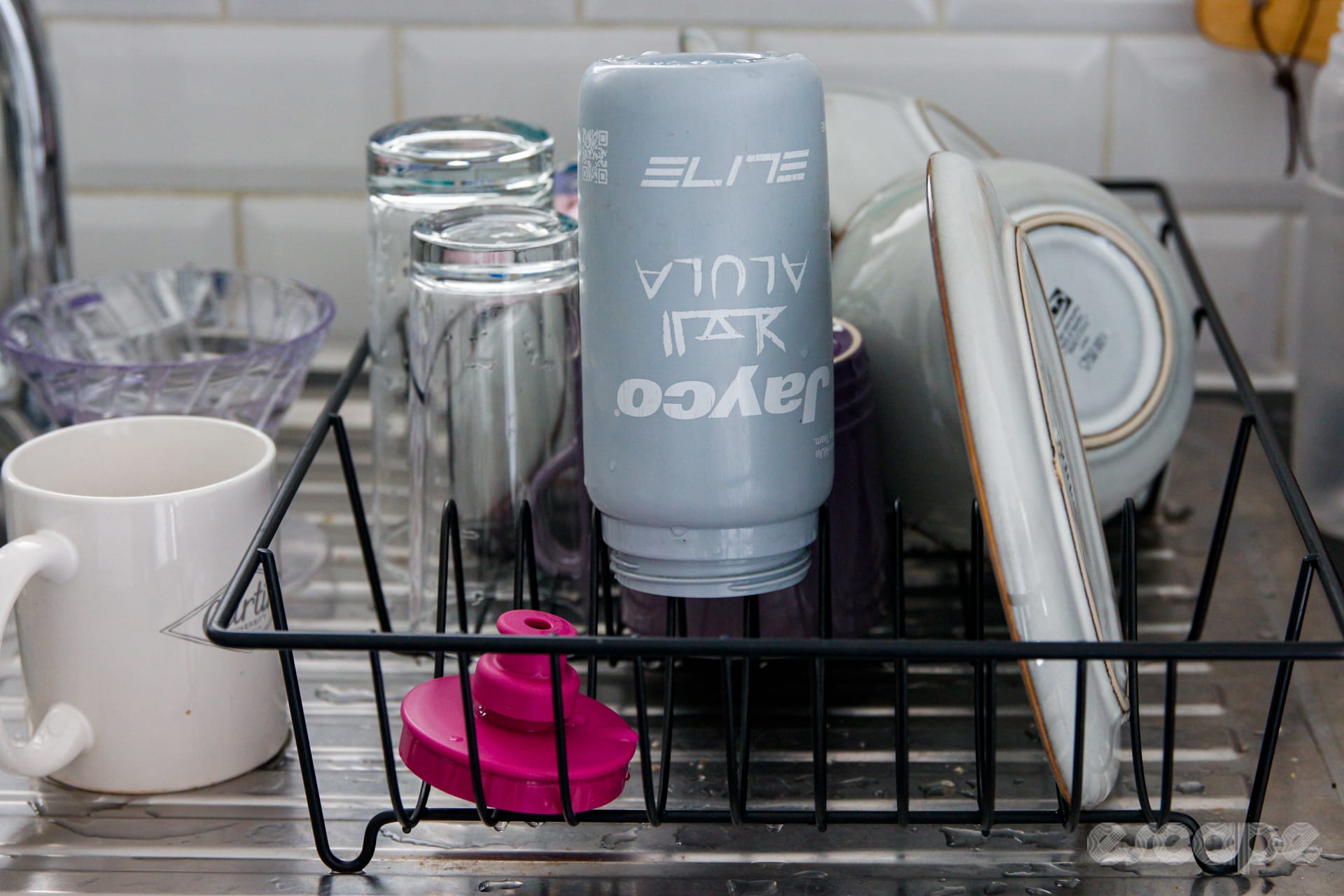
Choose lids that disassemble without tools so you can clean under gaskets and inside valves, because that’s where mold hides. If you use a drink mix, rinse after every ride and give bottles a proper clean at least weekly. Many bottles tolerate the top rack of a dishwasher, but repeated high heat can warp thin plastic walls and fade graphics, so check the label.
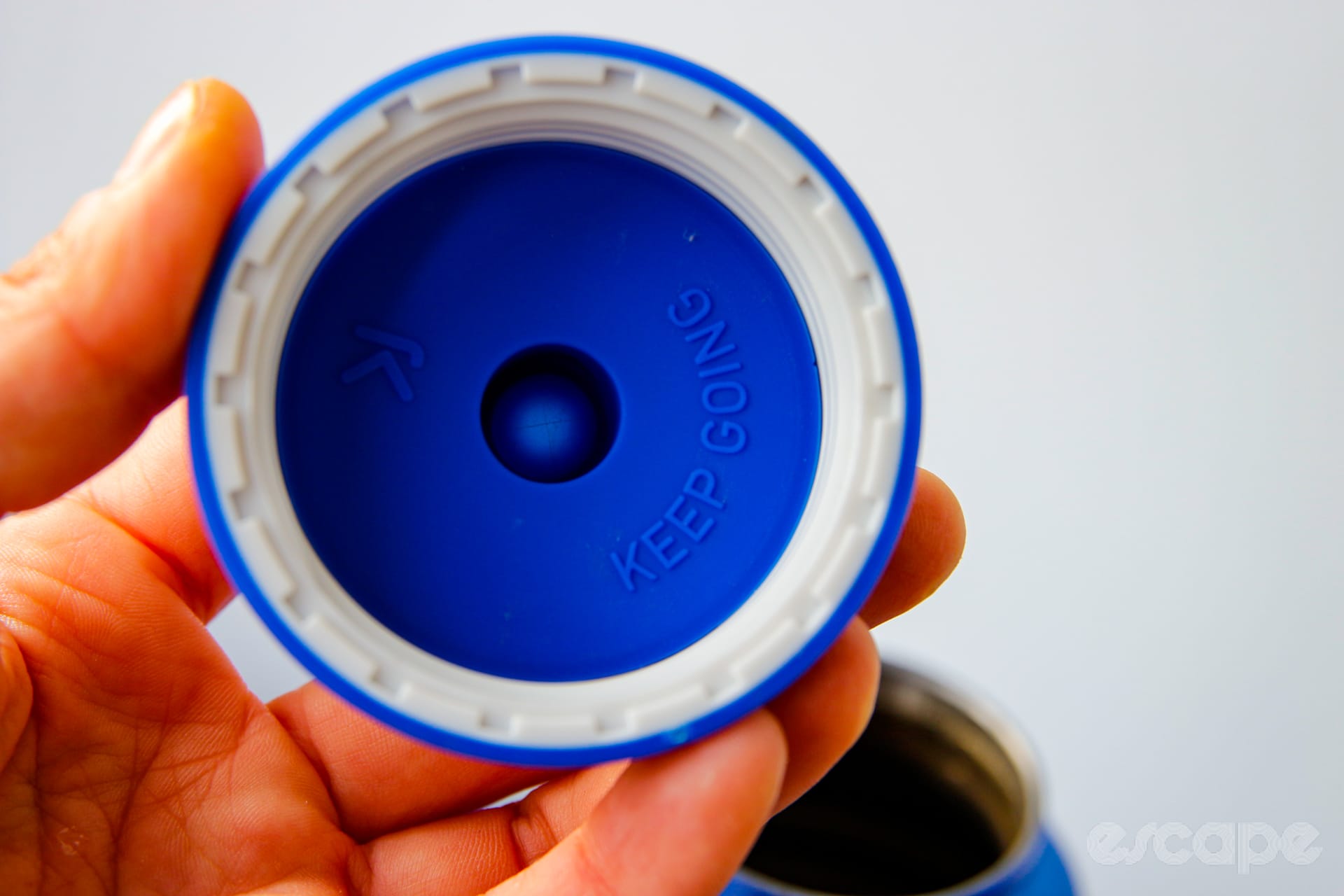
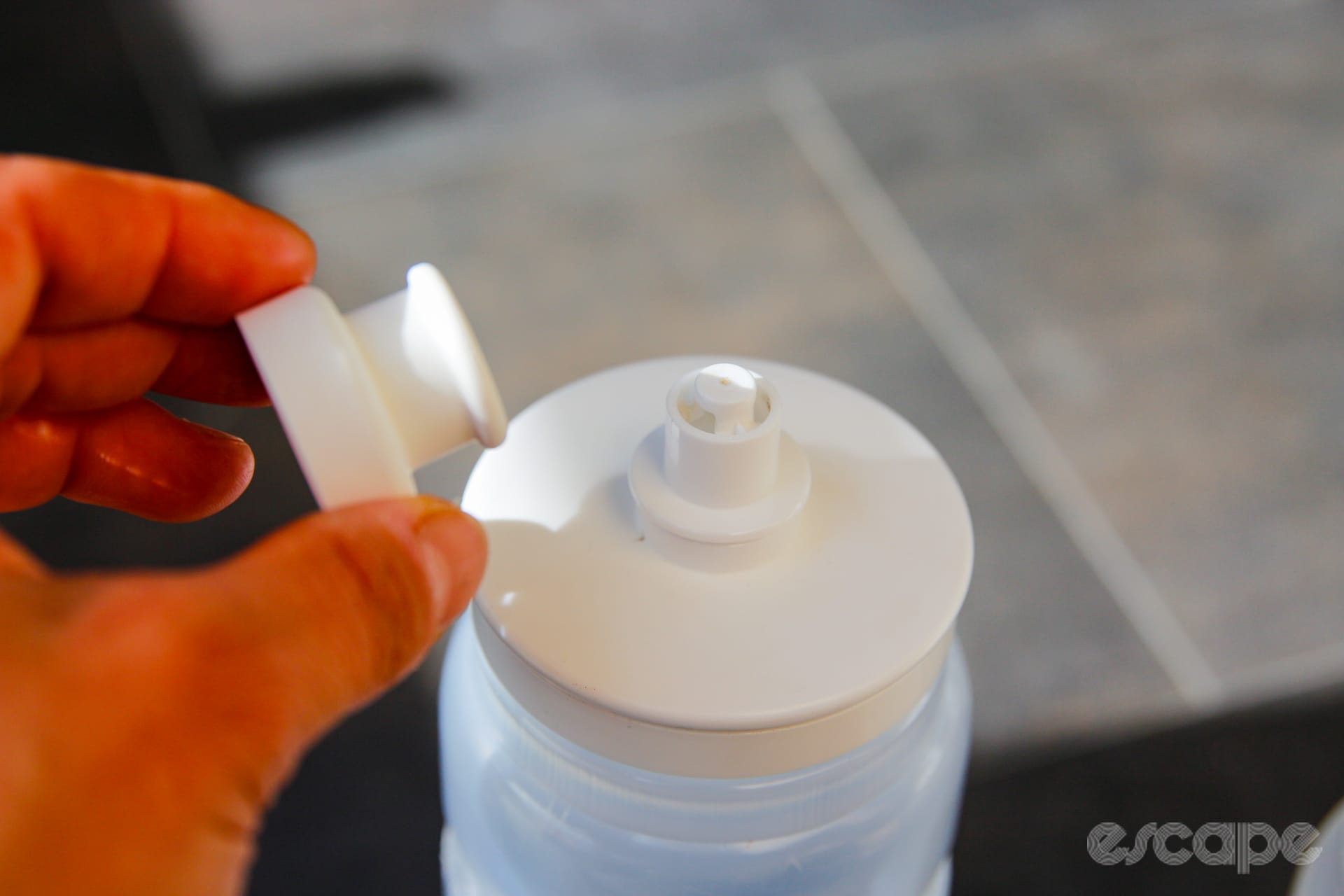
Elite, for example, says that its Fly bottles are "dishwasher safe at 40° C, but can also be washed by hand with any dishwashing detergent or by leaving a solution of vinegar or hot water and bicarbonate overnight."
Camelbak, on the other hand, recommends that its Podium and Podium Chill models should be hand-washed, but the caps for these bottles can go in the dishwasher on the top rack.
Specialized says its Purist bottles can be washed on the top rack of a dishwasher, though the Chromatek insulated bottles need a hand wash. Specialized also specifies that the Purist bottle should "never be scrubbed with an abrasive material or brush. The best cleaning method is to simply rinse out after each use and when needed, rinse with warm water and a mild soap. Alternatively, the bottle can be washed on the top rack of the dishwasher or you can use a soft cloth on the interior if necessary."
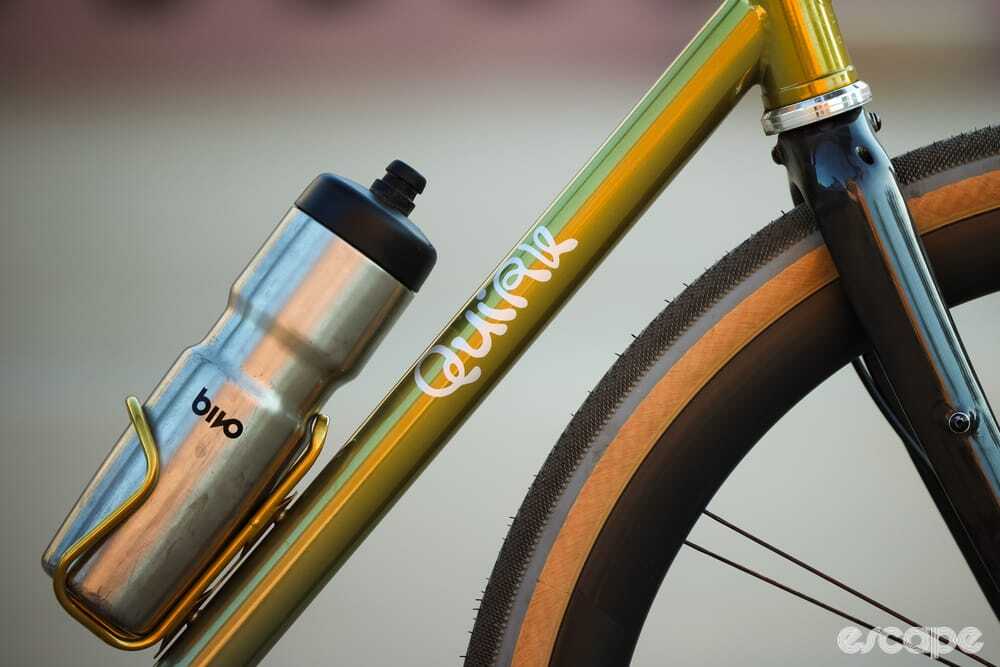
Metal bottles, such as Bivo's offerings, are safe to throw into the dishwasher. In all cases, dry bottles and lids fully, stored open rather than closed.
In short, there are many methods for cleaning water bottles, and there is varying research on whether the dishwasher cycle can actually leave residue on your bottles, which then leaches into the water you drink. And here, we get to the environmental and health considerations of choosing your water bottle.
Health concerns around plastic bottles
As mentioned before, most squeezable plastic bottles are made with polypropylene (PP) or low-density polyethylene (LDPE). Plastic bottles, generally, are sometimes linked to microplastics, as well as exposure to harmful chemicals, such as BPA (bisphenol A) – a chemical that in the EU has been banned for use in "food contact materials," due to its potentially harmful effects on the human immune system.
Most of the modern sports water bottles are labelled as "BPA-free," but it's worth checking this when buying, and simply never heating your water bottles.
Micro- and nanoplastics are a separate topic. Heat, abrasion, and detergents can shed particles from the bottles, and there is research showing that dishwashers exacerbate the issue, while also leaving chemical residue in your bottles. And while the research around all this is still evolving, cooler washes and hand cleaning are likely a safer, as well as kinder way to clean those soft-wall bottles and their valves.
You might also opt for a bottle made with plant- rather than petroleum- based plastic bottle, but even there, the risk of microplastics exists. One study, comparing oil-based HDPE microplastics with bio-based PLA in freshwater snails, suggests that both caused potentially harmful effects. Swapping to a metal bottle is the safest way to limit exposure to microplastics, though you are likely not going to ever be able to fully avoid them.
There is no reason to panic though, and perhaps the easiest way to limit at least some of the health concerns around plastic bottles is to regularly clean them gently. This 2022 study of reusable bottles found hundreds of plastic-related compounds in water stored 24 hours, plus thousands introduced by a hot dishwasher cycle, and some residues persisted even after thorough flushing.
Again, you're unlikely to store your drink in the bottle for that many hours, and there are many variables that might impact the results.
Then, there is the end of life. Generally, the longer you use a product, the better. But water bottle end-of-life can get complicated. Bodies are usually one plastic, lids another, valves and gaskets another again. Not to mention, local recycling rules differ. So, when the time comes to bin your bottle, whether plastic or metal, do some research how you can recycle it best.
Did we do a good job with this story?