
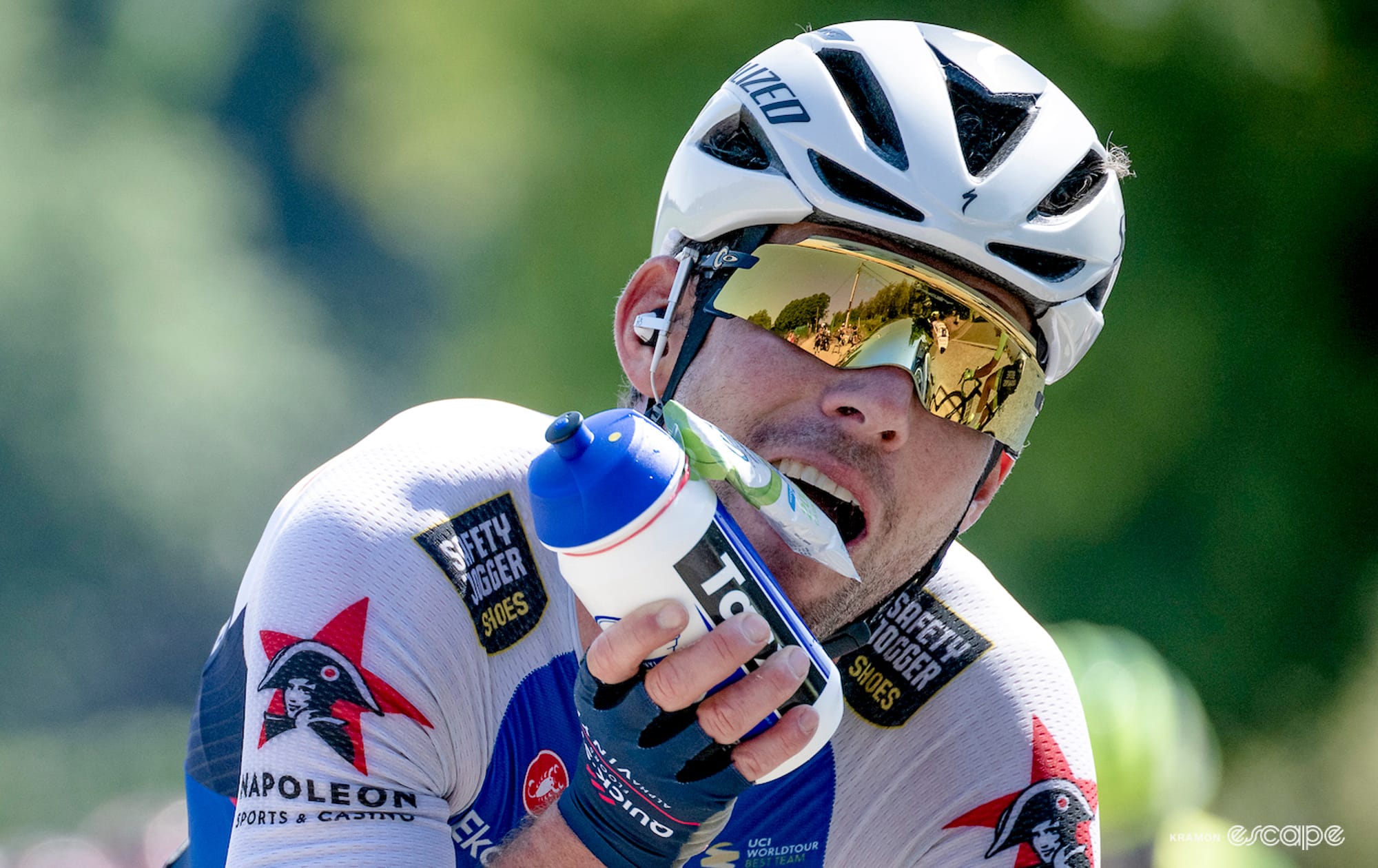


It often seems like cycling performance today is built on blocks of sugar. From WorldTour stages to ultra-endurance gravel races, fueling strategies have shifted firmly towards high carb intakes, with the previously unthinkable 100+ grams per hour now seen as the standard.
 Alex Hunt
But for all the attention we give to watts, power duration curves, and glycogen stores, the impact of the fueling revolution on our teeth is often overlooked, or perhaps ignored in the pursuit of performance. While sports nutrition products are designed to maximise fueling on the go, boil them down they’re also little more than cleverly engineered sugar.
If there was even a slither of doubt about the link between performance nutrition and dental health, a recent comprehensive review of sports diet and oral health in athletes in the journal Medicina has surely dispelled it. The authors reviewed data from 17 studies on elite and professional athletes and found that between 20 and 84% of elite athletes suffer dental caries – the breakdown of a tooth's hard enamel surface, caused by acids produced by bacteria in plaque when consuming sugars and starches. Caries, aka cavities, must be filled to prevent further decay.
The wide range reflects differences in sports, study methods, and athlete backgrounds, but the review also found up to 59% of athletes have signs of enamel erosion, and as many as three-quarters have gingivitis, or mild gum disease, with a smaller but still significant number of up to 40% experiencing more serious periodontal disease. The authors highlight three likely causes, one of which is sports diet. This answers the uncomfortable question of what effect these products will have on our teeth long term but, just as importantly given that proper fueling is here to stay, how we can mitigate the damage?
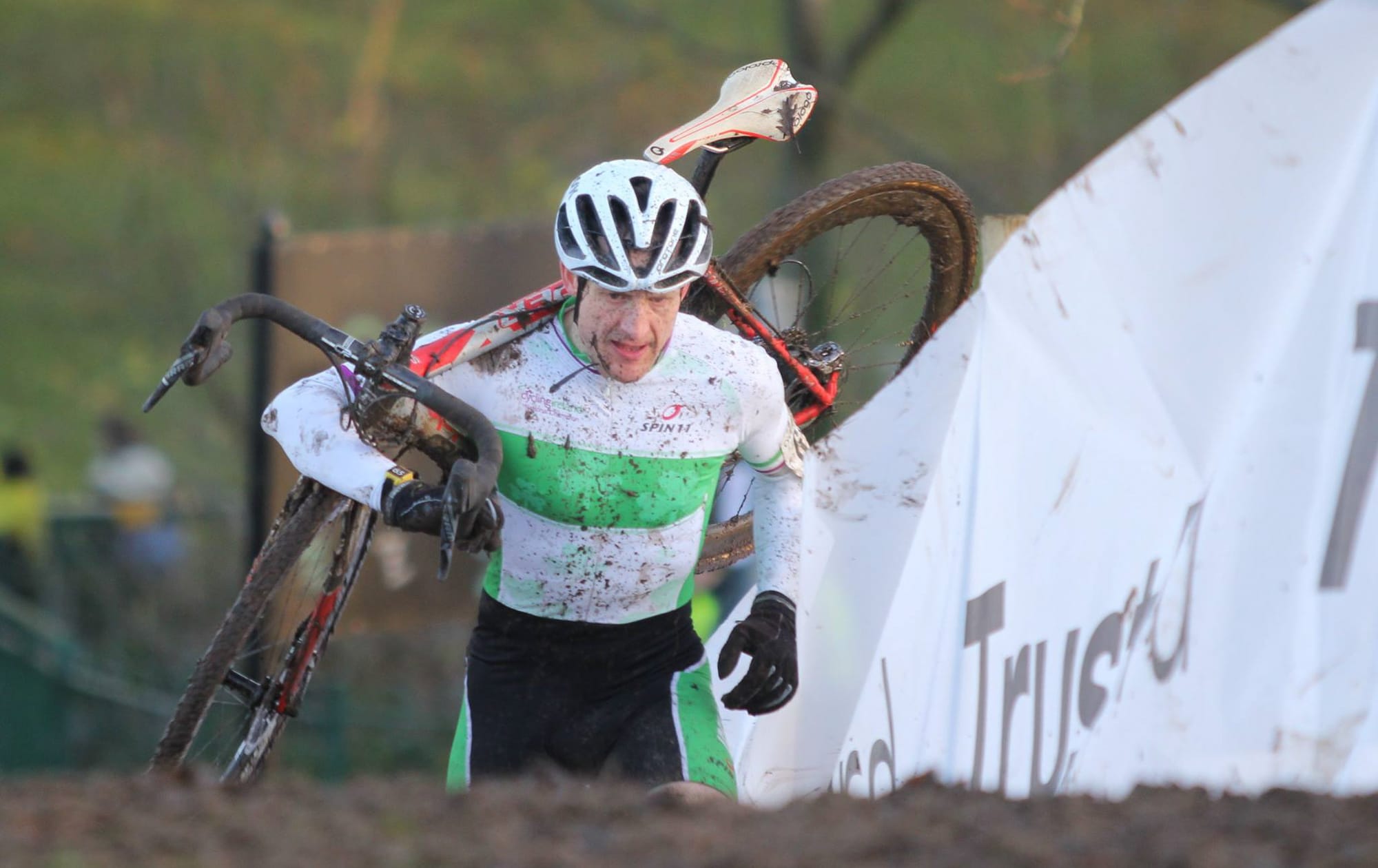
To answer those questions and more I turned to someone who straddles both sides of the divide between medicine and cycling. Jason Henry is a specialist in oral surgery with more than 15 years’ experience in complex dental procedures, teaching, and surgical training. He runs the Rosconnor Clinic in Northern Ireland, and has spent a few hours this year alone peering into my own mouth and pulling out teeth.
But Henry isn’t just a dentist looking in from the outside. He’s also a decorated racer in his own right – a former Irish national champion on the track and cyclocross champion in his age category, and a rider who has lined up at the Masters World Championships in road, gravel, and cyclocross. In short, he understands fueling demands from the perspective of both the dental chair and the start line.

When sugar hits teeth
So what actually happens when sugar passes our teeth? The process is as simple as it is brutal. Every mouth harbours bacteria, and when those bacteria are given sugar they convert it into acid. That acid then attacks the enamel, the hard protective layer of the tooth, slowly breaking it down. Once that barrier is eroded, cavities form, leading to decay, pain, and, eventually, dental intervention.
Did we do a good job with this story?