


For three days a year, the Made bike show is a bastion of creativity. Bike builders and accessory makers showcase the crafts they are most proud of, displaying them for thousands of show-goers and media alike, which are then broadcast across the internet for the world to see. But what's not seen by those ogling from afar is much of what happens in and around the show, like group bike rides, mid-show activities, or afterparties.
Similarly, tradeshow booths, which can often be costly to build and transport, are another unsung aspect of the Made show experience. These special structures and displays have the power to elevate, communicate, and imbue a brand's ethos through spatial immersion, or merely offer a zone of solace from the surrounding crowds and commotion.
And while booths are the building blocks of any tradeshow, Made booths are a rare and unique breed within the overall context of cycling industry expos.
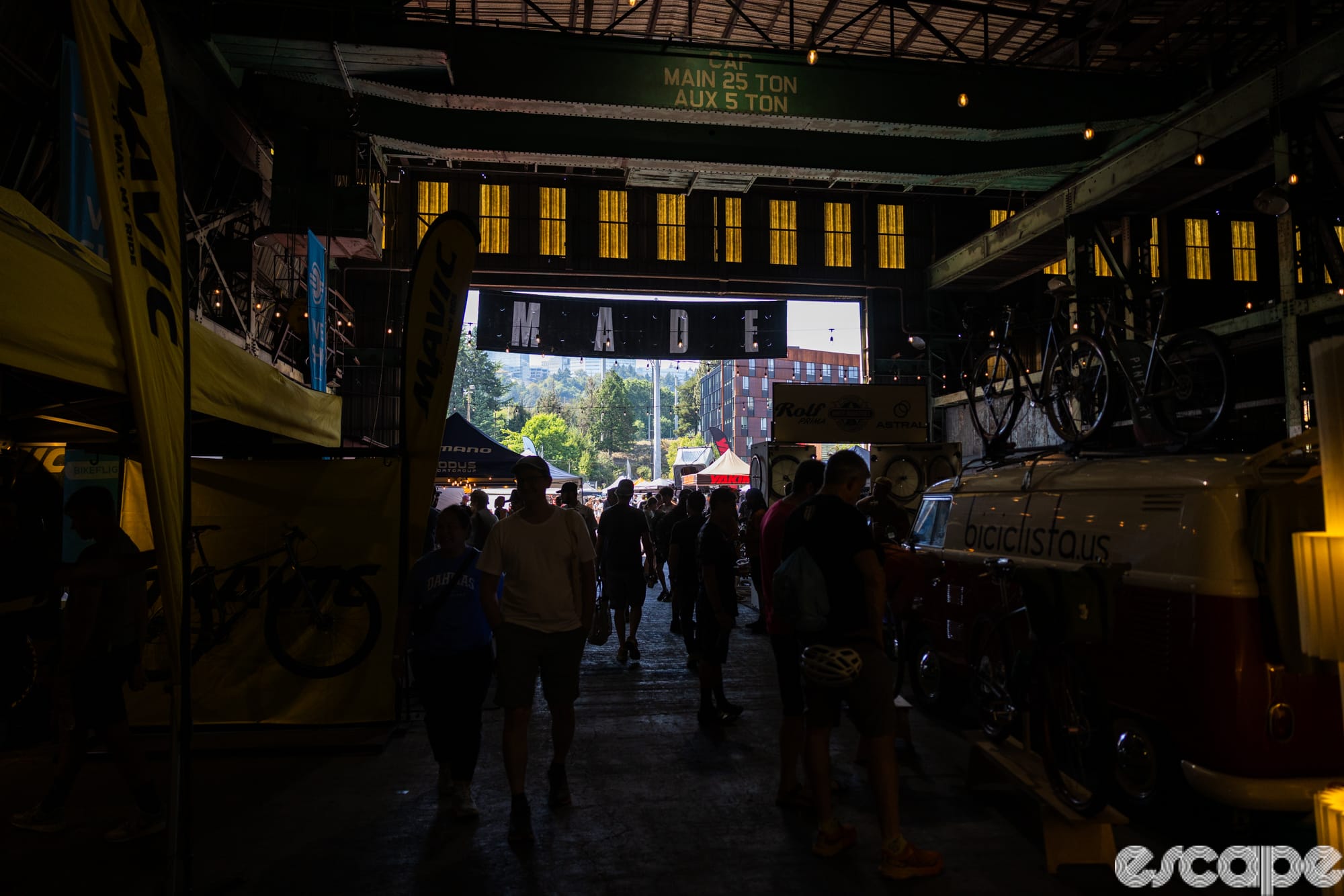
This is largely due to the venue itself. For its three-year existence, Made has taken place at Zidell Yards in Portland, Oregon. A giant hangar situated on the city's Willamette River waterfront, the building was originally the U.S.'s largest shipbreaker facility, where decommissioned vessels would go to be dismantled. It later became a construction site for large watercraft like barges.
Scheduled for eventual demolition and redevelopment, the location is currently available for events and concerts. Its industrial character, with oil-soaked concrete floors, massive iron-beam construction, and corrugated siding, makes a suitable home for the artisan creations shown inside. But complicated power delivery, lack of insulation, uneven surfaces, and tricky access are just a few of the challenges that organizers and vendors need to navigate.
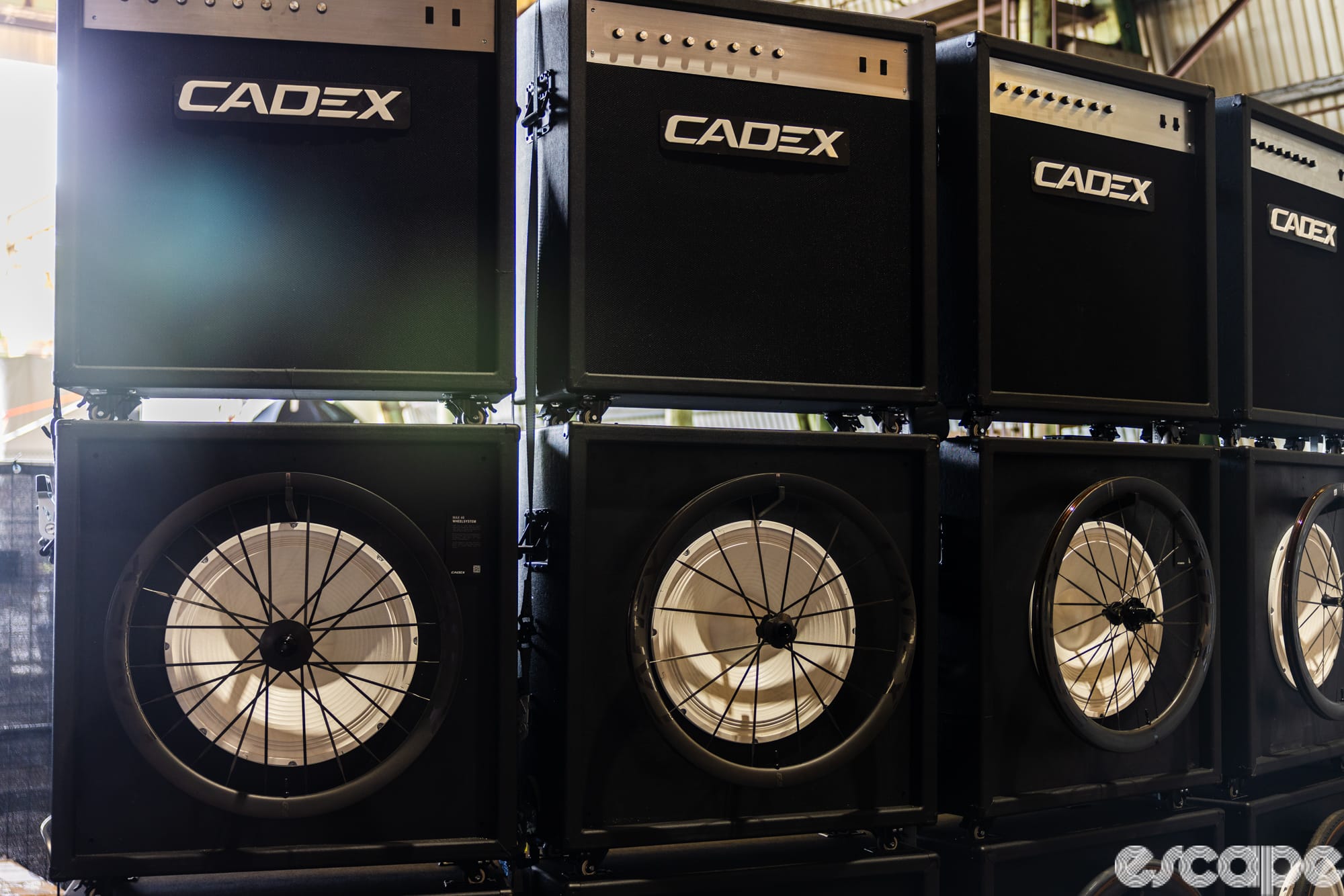
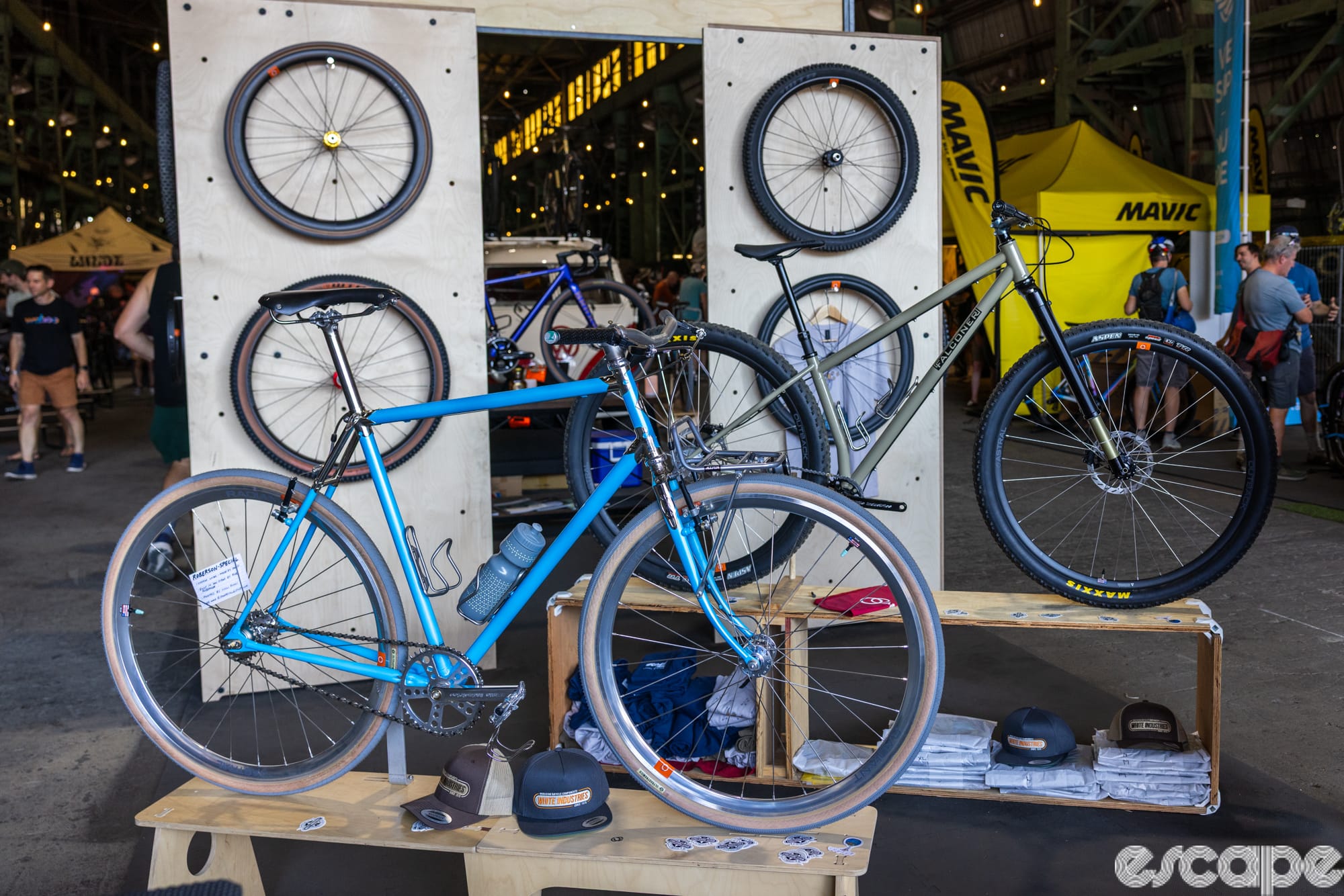
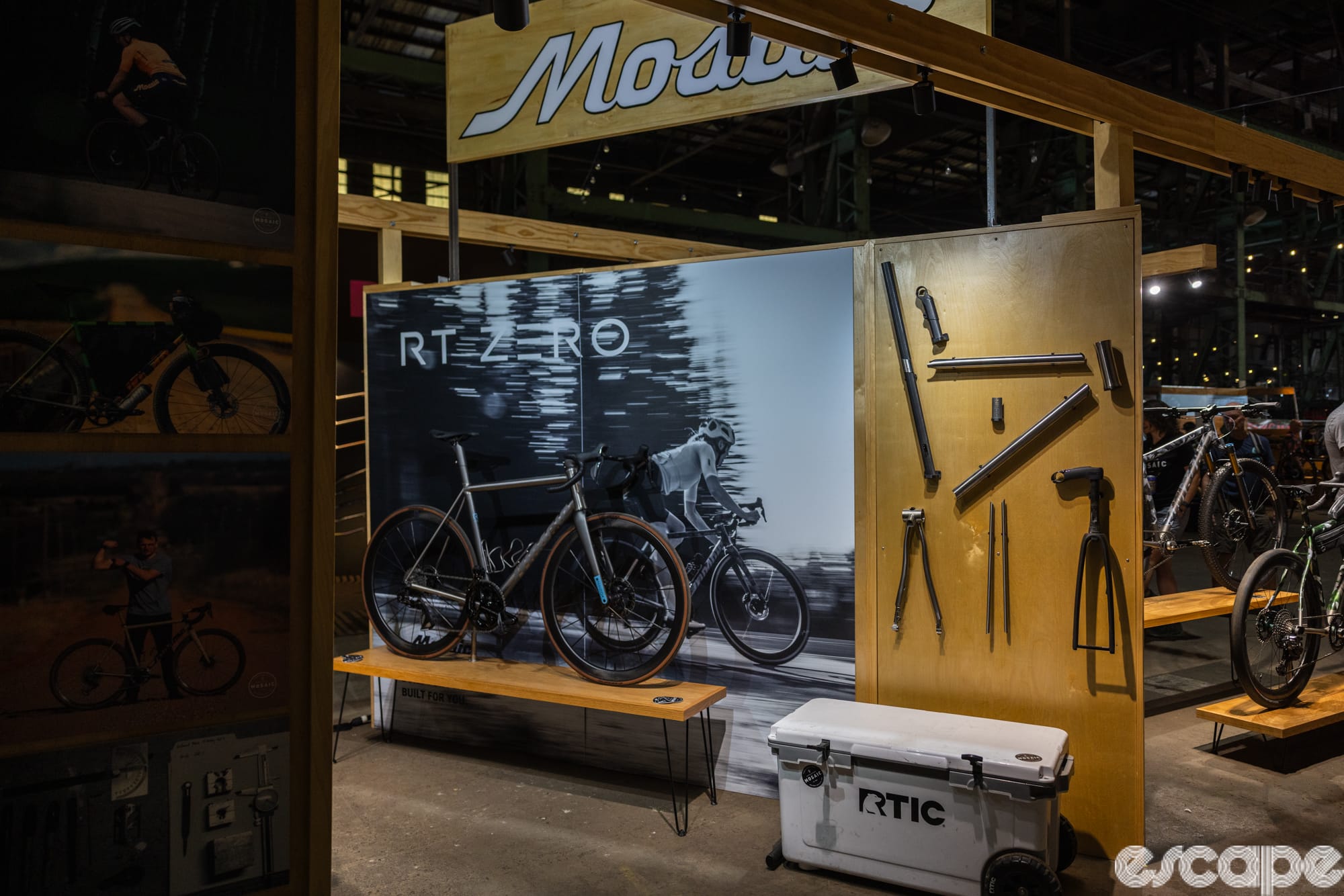
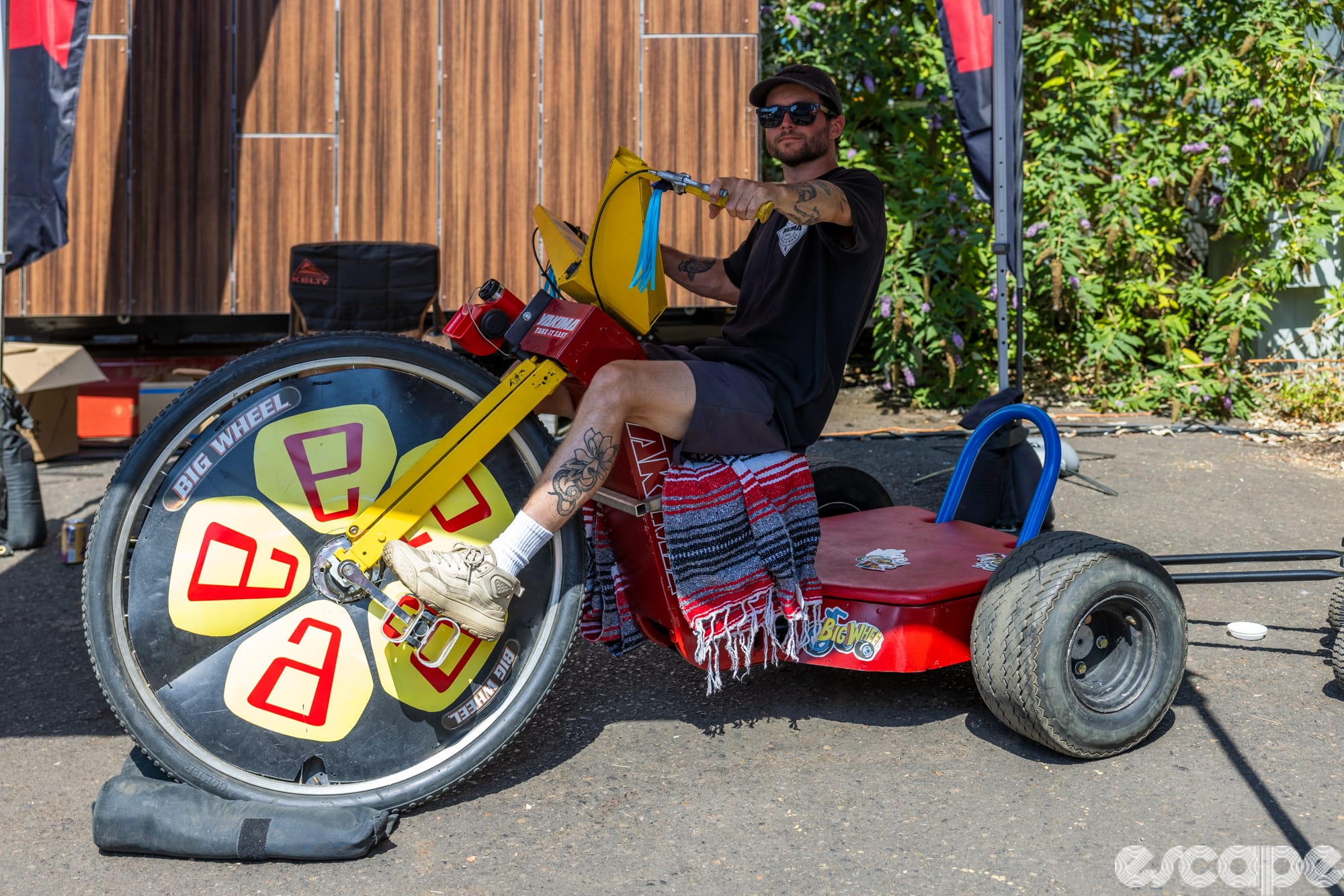
Unlike other shows that offer pre-fabricated booths as add-on costs for displaying, or sterile conference hall environments where everything blends into a sea of homogeneity, Zidell's nautical-industrial vernacular is a blank canvas for brands and builders to paint with unique brushstrokes. From simple folding tables topped with ornate cases full of blingy bike jewelry to towering wooden altars paying tribute to elements of a particular culture or lifestyle, Made is the Epcot Center equivalent of the bicycling world. Here are a few of the standout setups we saw.
Brooks England
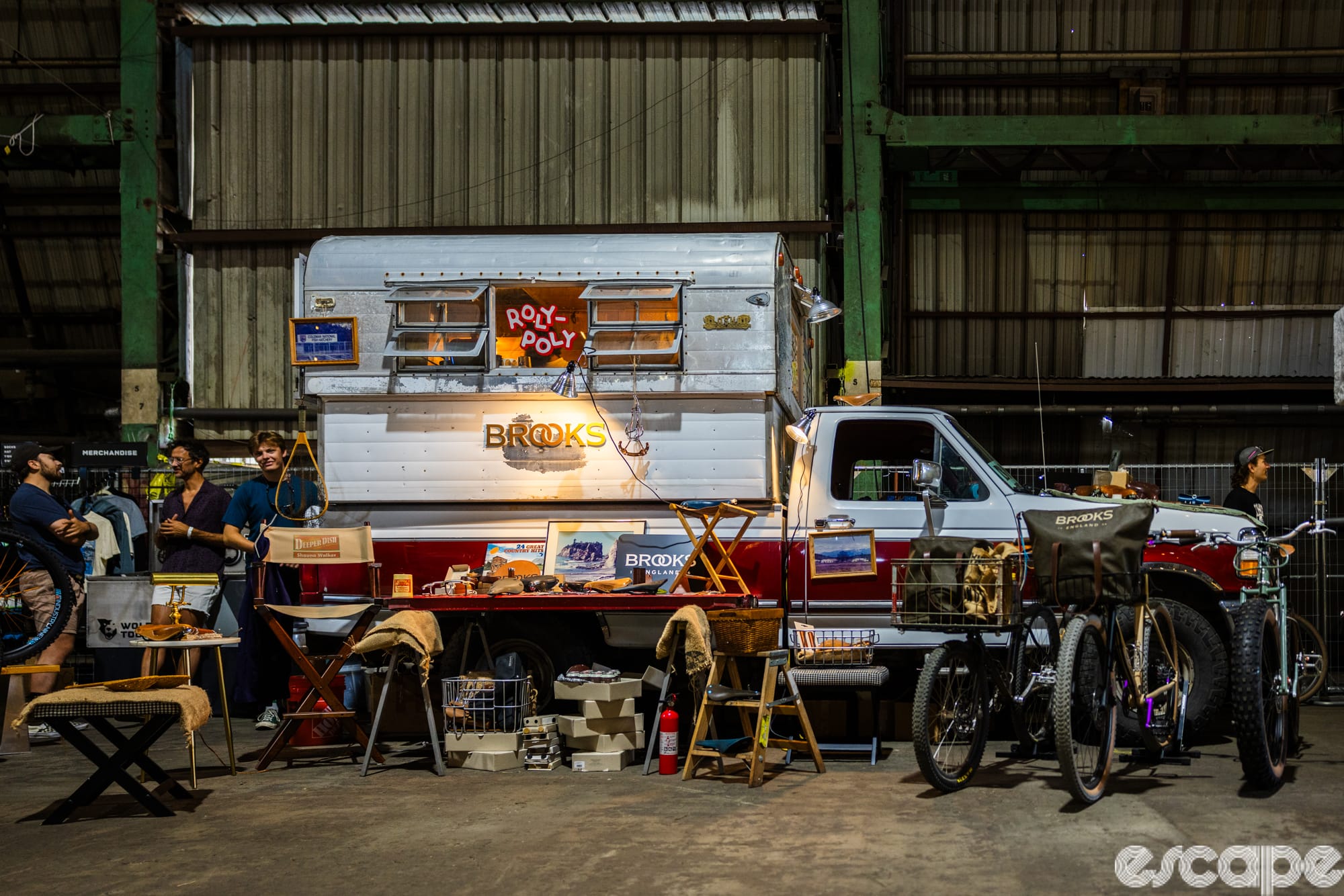
Heritage saddle and luggage brand, Brooks, might have had the most active booth of the entire show. Not necessarily because folks were drawn directly to the bikes or products on view, but because they were serving up a steady stream of caffeine all weekend.
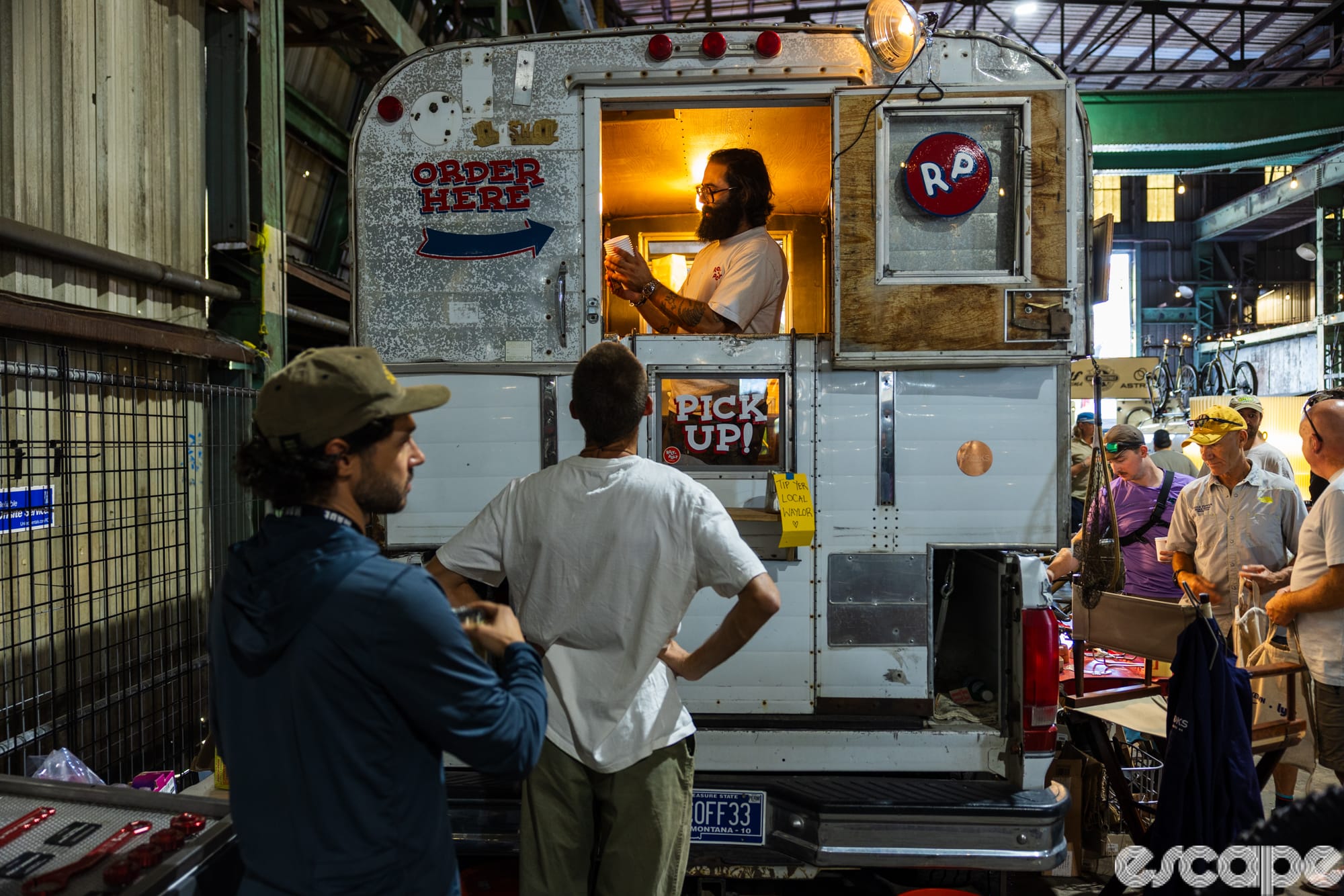
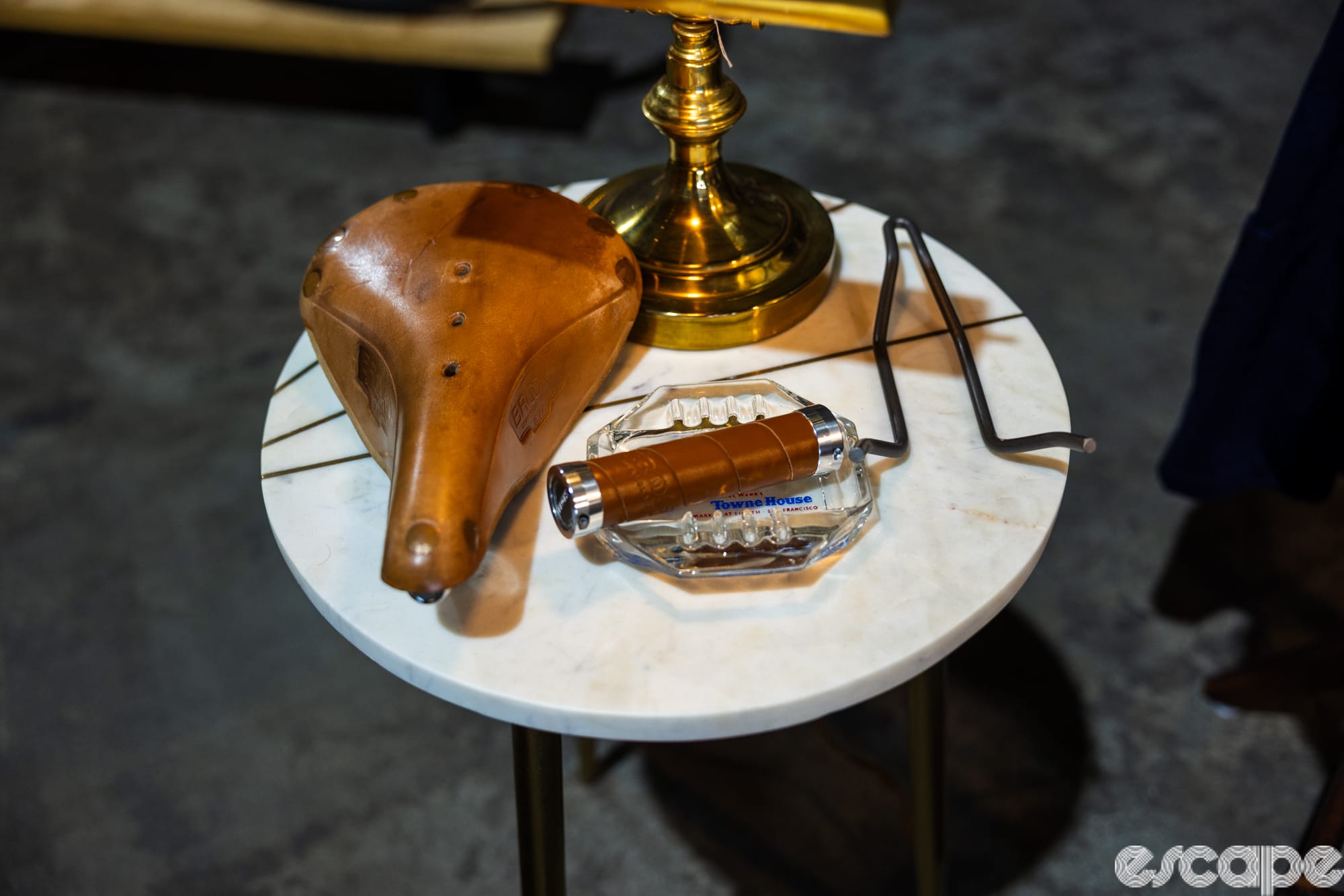
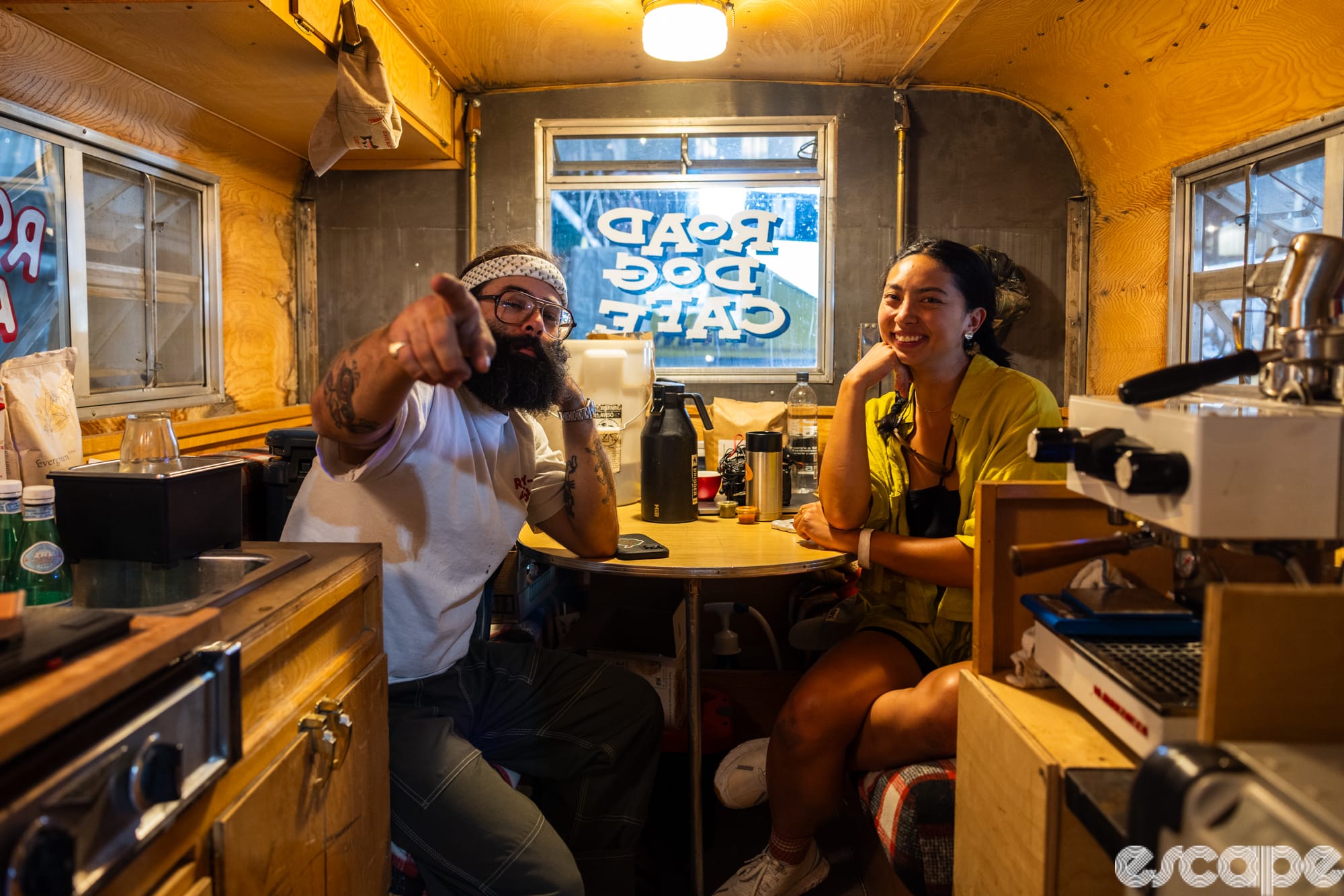
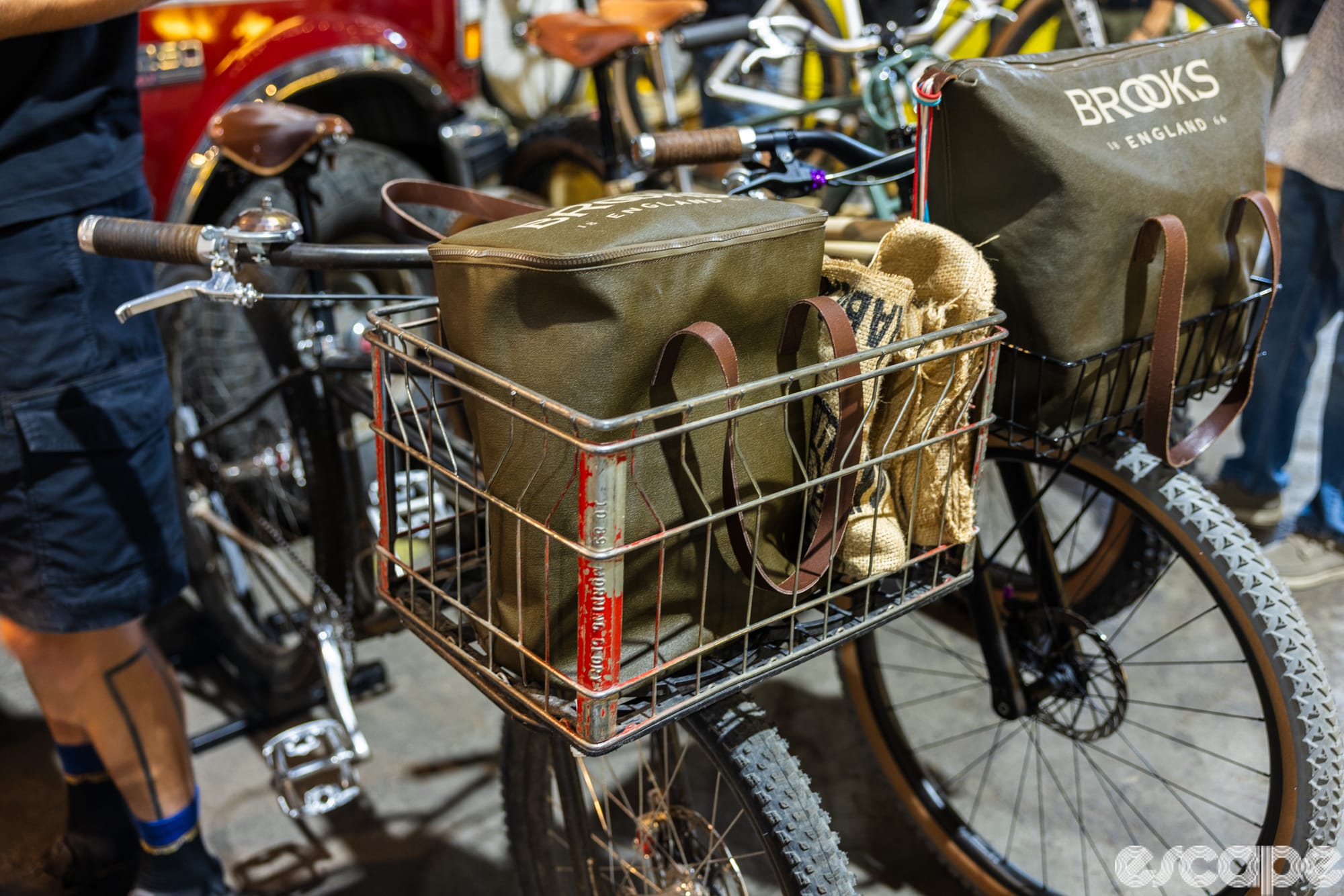
Rolling vehicles into the venue has become an increasingly popular approach. Revisiting a partnership from the first Made, Brooks teamed up with Roly Poly Coffee to provide aesthetics and tasty bean water via a vintage Ford F250 topped with a 1969 Alaska Camper that doubles as a mobile coffee shop. The kitschy ephemera strategically placed in and around the truck harkened to a Montana of yore, with ashtrays and vintage country western albums displayed adjacent to Brooks' leatherware.
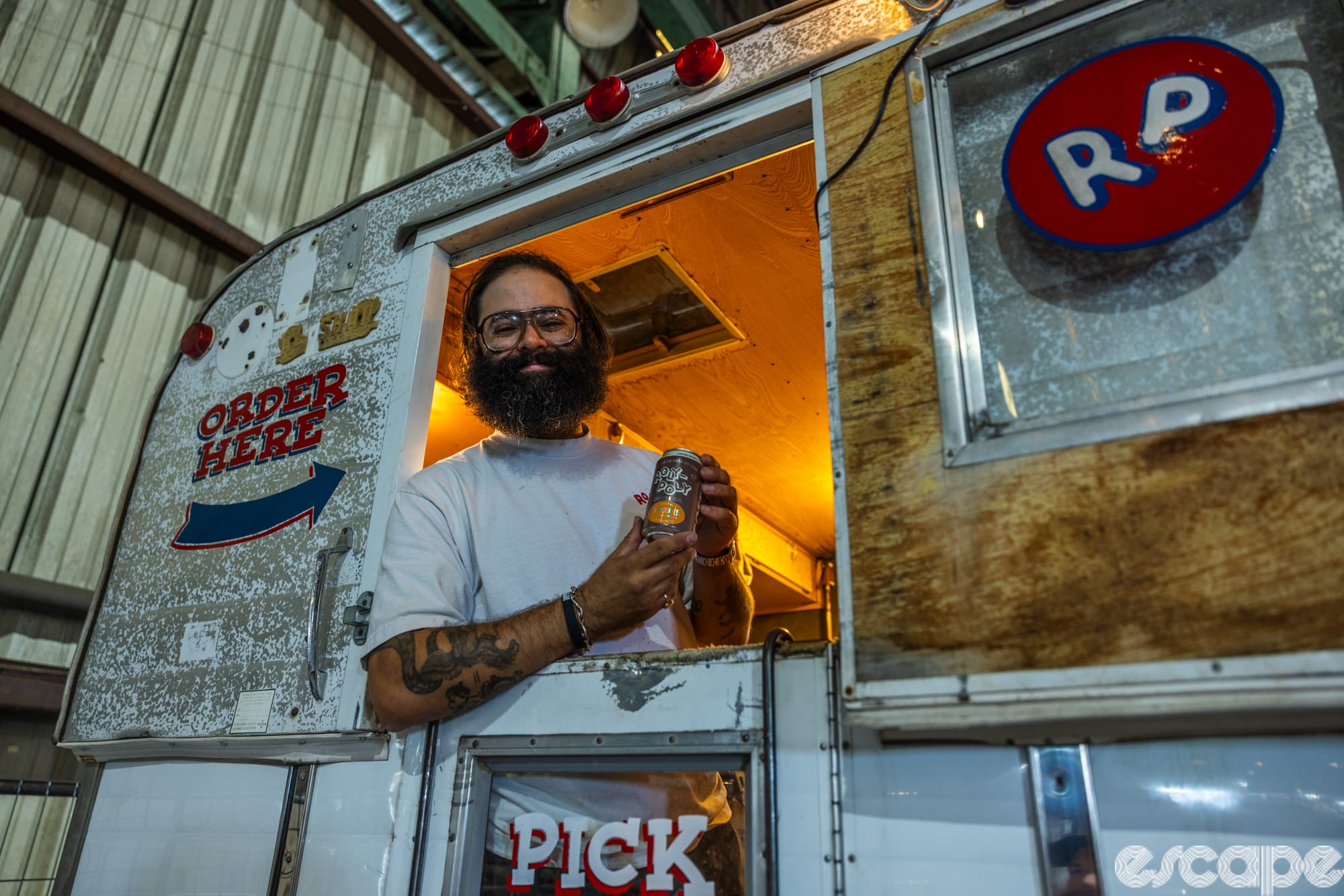
The Brooks marketing team, along with some Selle Royale counterparts, flew in from Italy to Roly Poly's Bezeman, Montana home. They linked up with proprietor Taylor Wallace, loaded up the truck with bikes, and embarked on a lengthy road trip across the American West to Portland. The booth seemed to emphasize the spirit of analog travel, whether on a bike or in an old vehicle, fueled by good coffee and friendly faces.
Sim Works
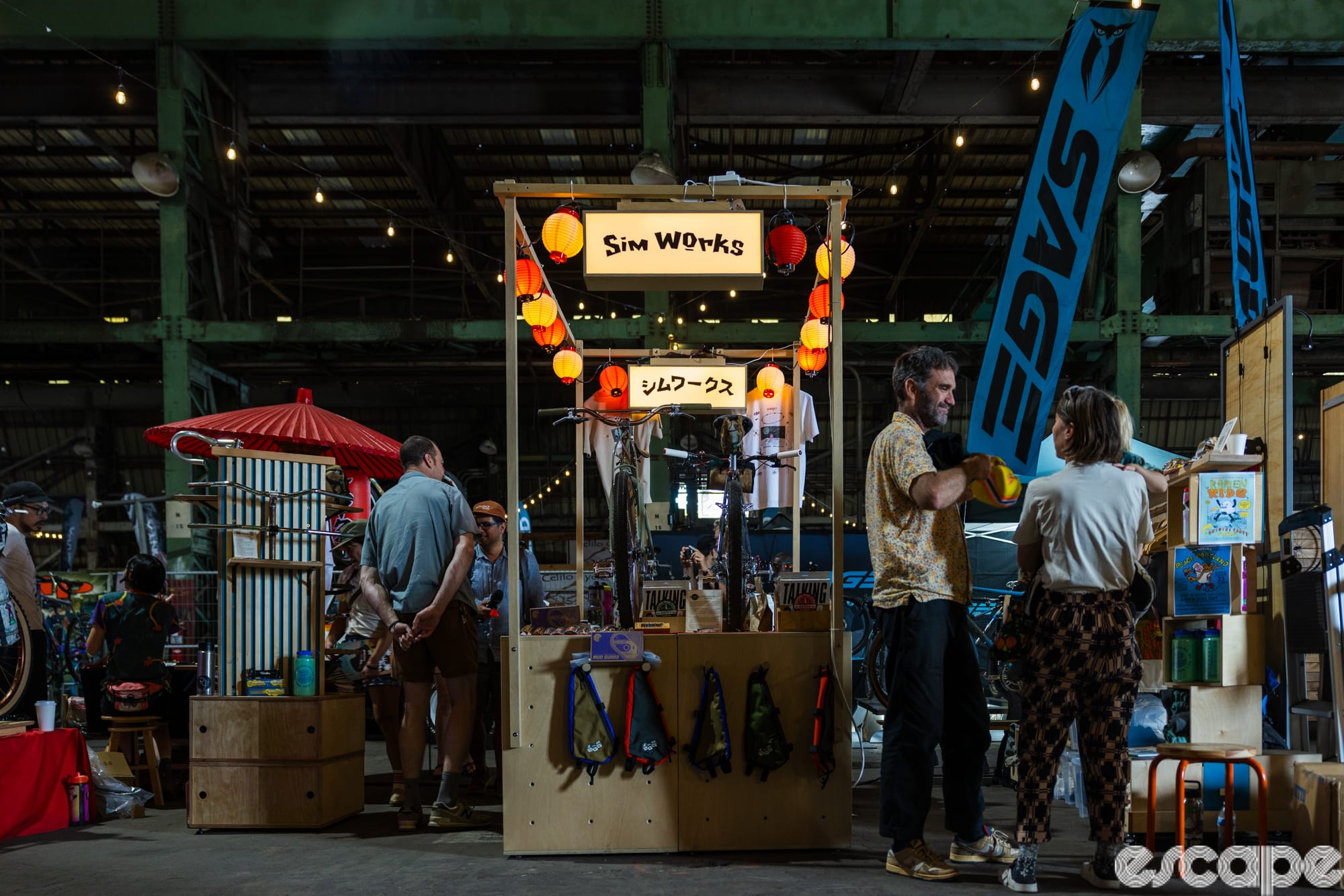
Just down the aisle from Brooks' blend of Western Americana and British artisanry, the team at Sim Works greeted attendees to peruse its array of Japanese and Japanese-inspired components and bicycles.
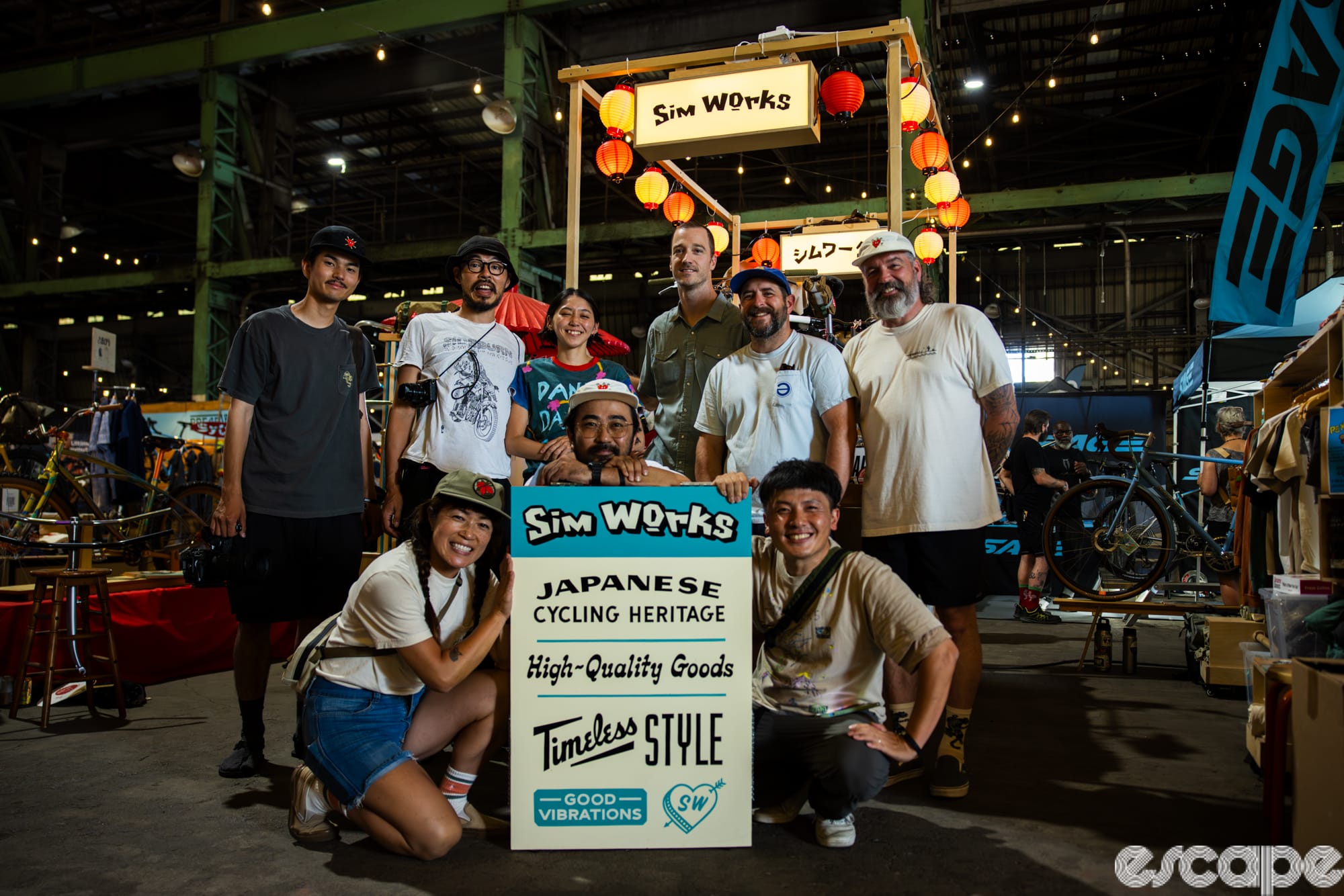
What began as a small parts spin-off, through collaborations with other Japanese manufacturers like Nitto and Honjo, from the original Circles bike shop in Nagoya, Sim Works continues to expand its North American presence. As mentioned in Escape's recent profile of Firsthand Framebuilding, located in the Chris King factory building, Sim Works USA expanded from an online fulfillment center to a retail space within the King building just last year.
Did we do a good job with this story?