


In her latest column for Escape, Jayu takes a look at how China’s bike industry is shifting from OEM to global brand, disrupting legacy players with speed, capital, and low-cost performance products.
At this year's Tour de France, some sharp-eyed tech watchers noticed something unusual on Bahrain Victorious' bikes: cranksets from Elilee and Flywheel. These aren't household names from Europe or North America. They're upstarts from China and Taiwan.
And more importantly, they're no longer just anonymous suppliers. These components were picked by the team for their performance, not price. These details matter at the Tour. So if Chinese-made parts are being trusted at that level, you can tell that something bigger is happening in the background.
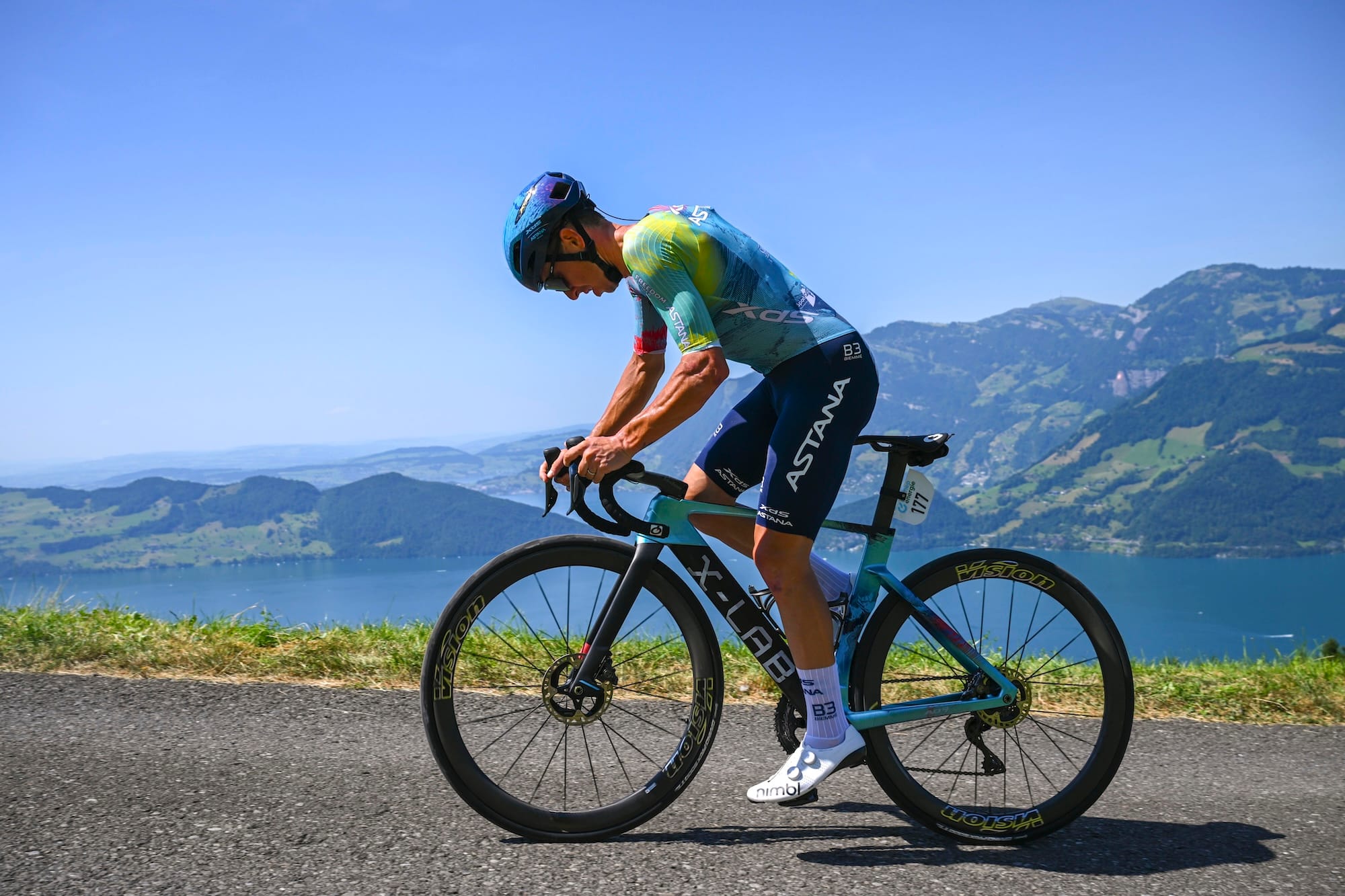
It's not just about a few components sneaking into the pro peloton. It's about the global bicycle industry facing a shift that it's not fully prepared for. For decades, Chinese factories quietly built the frames, wheels, and other components we all rode, but under someone else's logo. Brands such as Trek, Pivot, Norco, and Colnago have all worked with XDS, along with many other European brands. But these were Chinese-owned factories, not Taiwanese ones, operating behind the scenes. Now, some of those factories want the logo to be theirs.
China's quiet pivot from OEM to brand
The COVID-era bike boom in China has run its course. Factory orders have slowed, and the domestic market has cooled. We have firm data showing China's bike market is slowing down. Shimano even mentioned this slowdown in its recent 2025 Q2 financial report.
The Chinese bike boom started around mid-2022, reached its peak in 2023, then saw people getting even crazier in 2024. But by July 2024, the market started to cool down, and by 2025, everyone in China finally acknowledged the reality – the good days are over. We could see China's market is no longer the saviour of bicycle overstock, but now, we might see they are dumping products.
That might sound like a problem. For many Chinese manufacturers, it's actually become a wake-up call to adapt to the new situation.
Without orders from Western brands to fill production lines, some OEMs are realizing they have only one option: start building their own brands and take their destiny into their own hands.
And they're not doing so in half measures.
Brands like Flywheel and Elilee are going all-in, investing in R&D. Other companies such as Macfox are going fully direct-to-consumer and working with independent bike dealers. They're leveraging years of OEM experience to launch products that aren't just affordable, they're performance-driven and optimized. From high-end bike components to e-bike brands, they usually sell for much less than legacy brand products, and they're starting to earn real credibility.
That credibility is also being fuelled by Chinese investors, who see bikes as the next breakout export category. Even after the domestic bubble popped, China's venture capital and industrial funding continued flowing into the cycling space.
Did we do a good job with this story?