


Aero bikes are once again having their heyday. Deep tube profiles, aggressive riding positions, and bold, watt-saving claims dominate the performance road bike market.
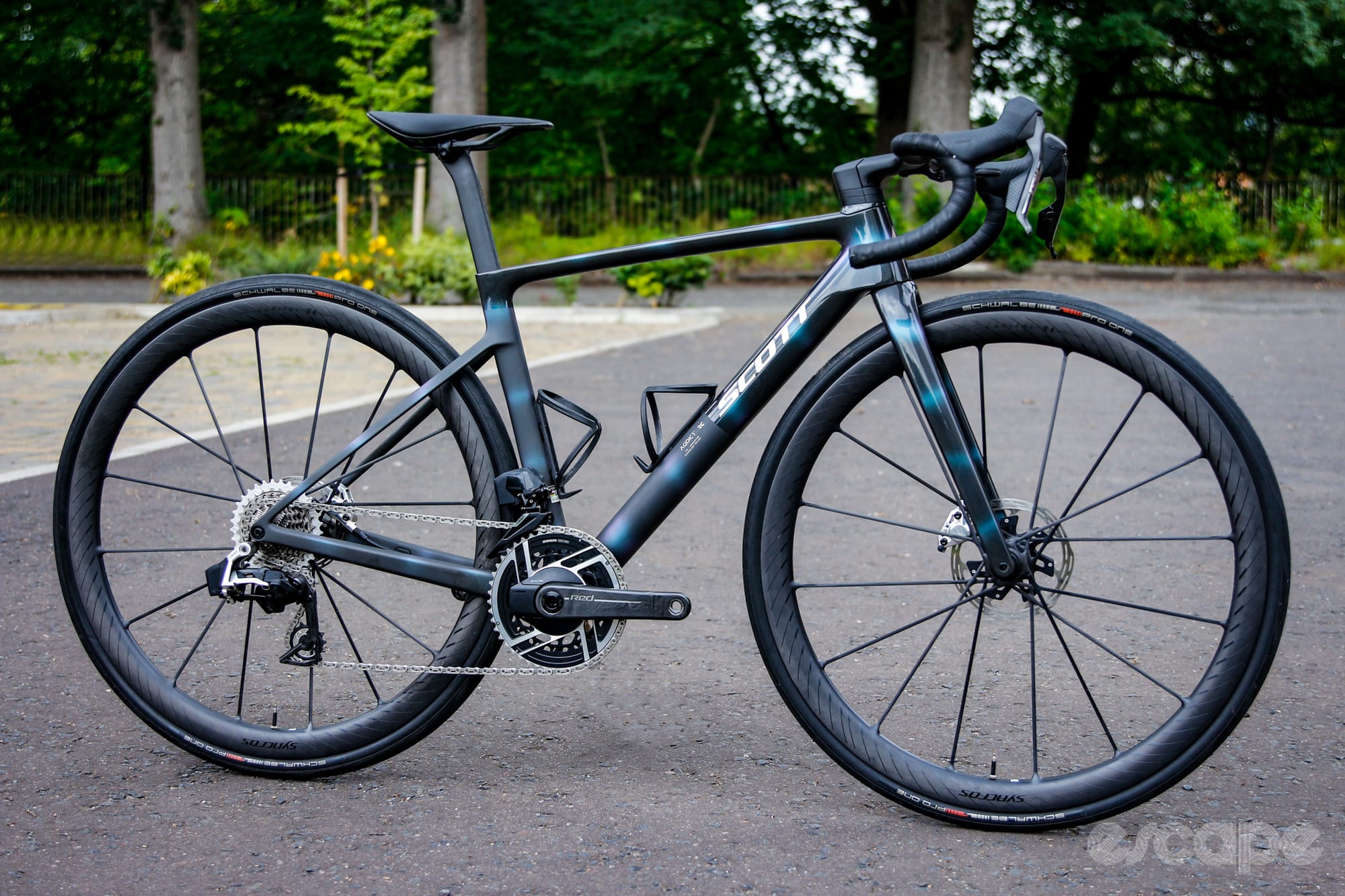
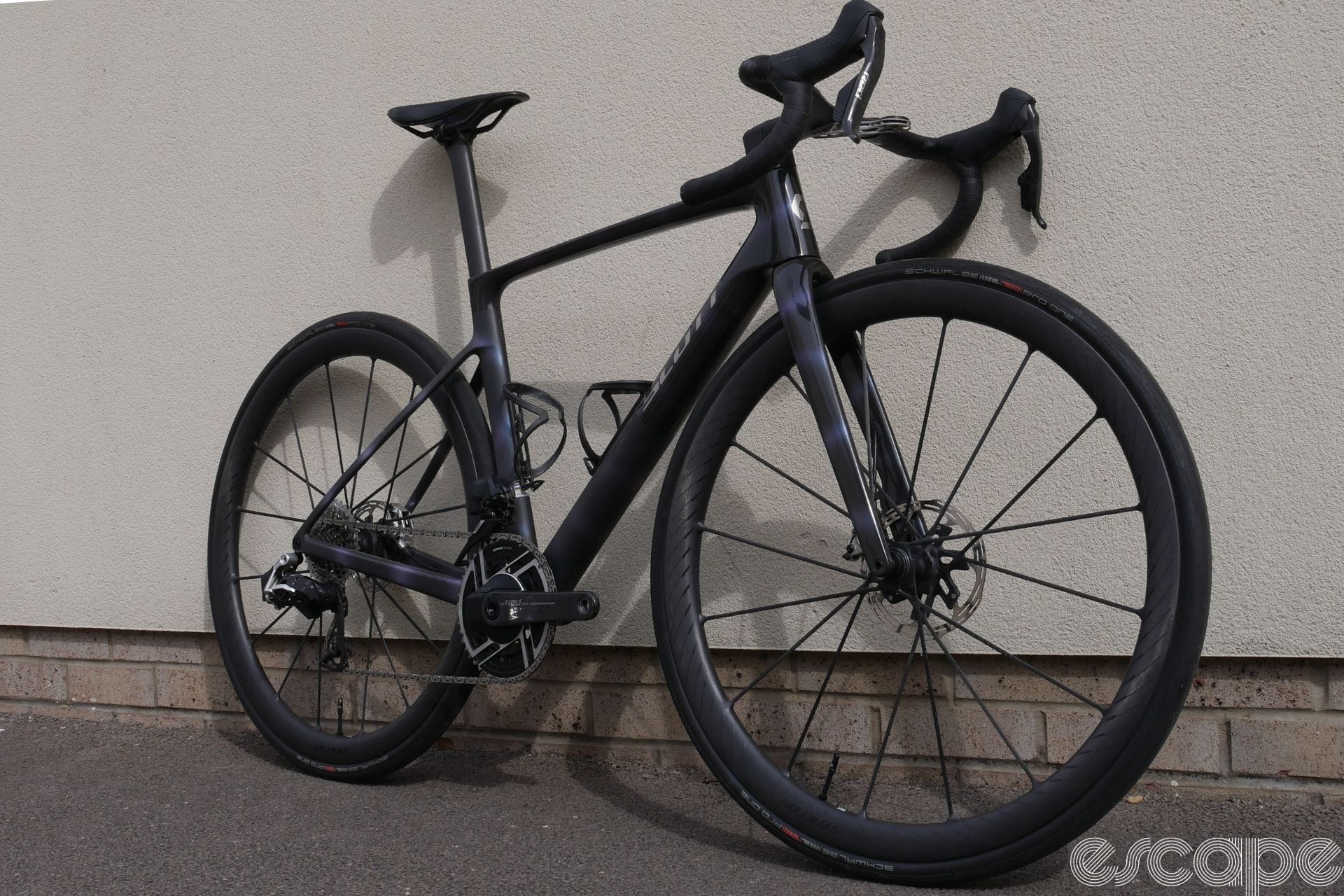
Scott, however, has bucked the industry trend of all-out aero-ness in favour of good old-fashioned light weight with its recently updated Addict RC, a bike that sits alongside the Foil RC aero bike. The headline build, the Addict RC Ultimate, tips the scales at 5.9 kg (as weighed without pedals), almost a full kilo under the UCI’s minimum weight limit.
Historically, such super-light bikes have traded ride quality, durability, and off-the-shelf component quality for shaving grams. On the surface, Scott looks to have avoided these pitfalls, but how does the Addict RC stack up in the real world?
In one word – superbly.
Good stuff: Climbs like a dream. Acceleration on flats and climbs feels noticeably snappy. Well-considered build kits with some well-priced options.
Bad stuff: Schwalbe Aerothan tyres took the weight savings too far and added compatibility confusion. Fragile computer mount that broke on Suvi’s test bike. No UDH limits how future-proof the frame is. Ultimate build is priced sky-high.
Pricing: Five models, ranging from £4,900 / $5,000 to £12,800 / $15,000.
Recap: An homage to simpler, lighter times
Scott didn’t just pluck the 5.9 kg figure out of thin air. No, this number is of particular meaning to the brand, harking back to the original Addict RC from 2008. Back then, race bikes were a different breed from the fully integrated, disc-brake machines we have today. Rim brakes, mechanical 10-speed groupsets with shallow wheels, and very little focus on comfort meant that hitting super-low weights was easier 17 years ago.
With the latest-generation Addict RC, Scott set the target of reaching this weight again, albeit this time with disc brakes, wider tyres, deep-section rims, electronic shifting, hidden cabling, and everything else you would expect from a top-tier road bike in 2025.
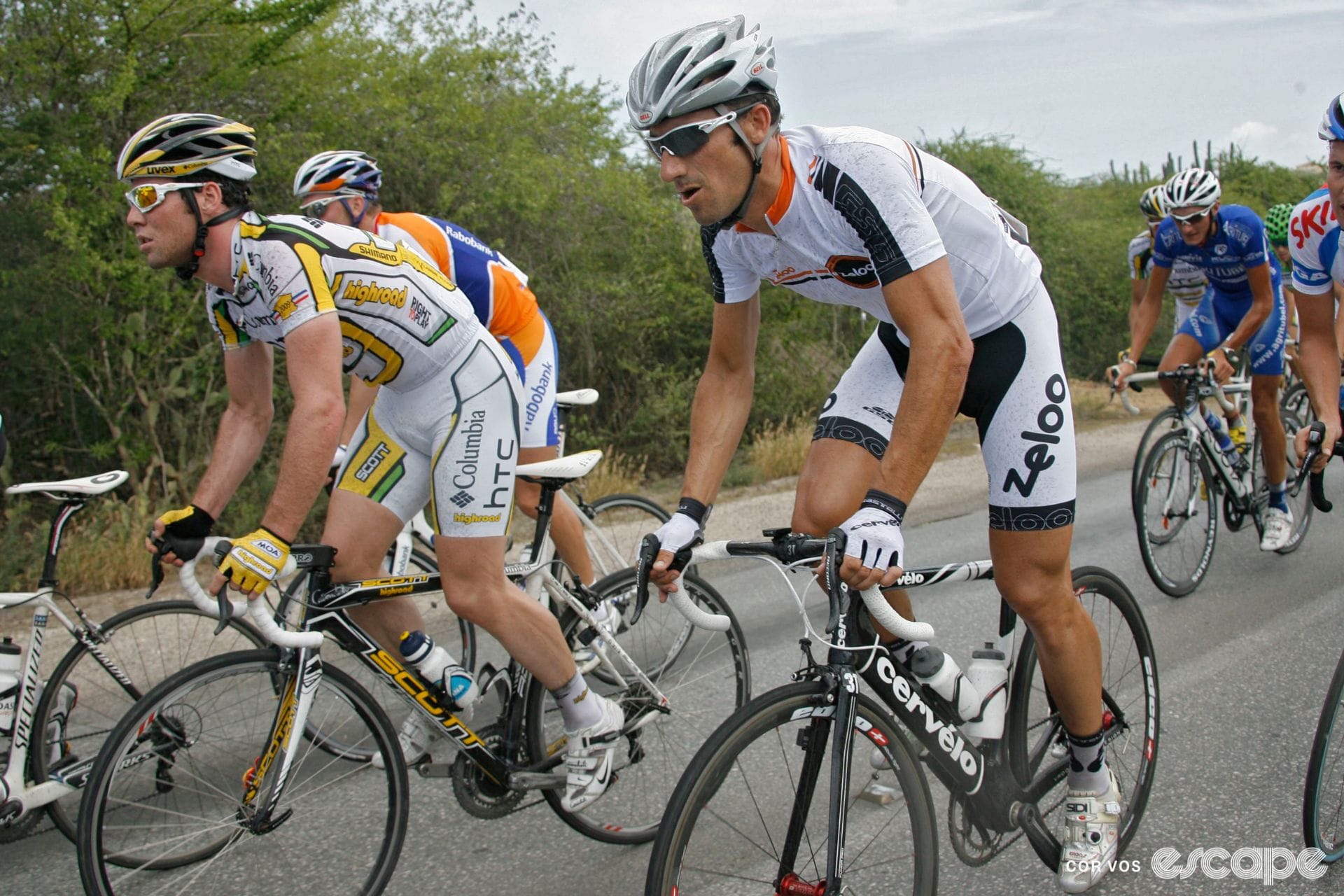
Generally, all of this tech has seen road bikes gain a few hundred grams over the last decade, but through some specific component choices (some good, some more questionable), as well as stripping back any unnecessary material from the frame and new manufacturing practices, Scott has managed to pull it off.
It is also not just the Ultimate build that has been under the knife; all the way down the range, Scott paid close attention to detail and spec choice to make the Addict RC platform competitive in terms of weight and spec, irrespective of the model. Even the Addict RC 30 with 105 Di2, alloy two-piece cockpit, and Syncros’ entry-level carbon wheelset has a claimed weight of just 7.7 kg (without pedals).
A quick run-down of the Addict RC
- Available in five models from £4,900 / $5,000 to £12,800 / $15,000
- The RC 30 - RC Pro models all use the same HMX frame and fork
- The Ultimate uses an HMX SL frame and fork
- The Ultimate weighs 5.9 kg, with the Pro model weighing a claimed 6.8 kg
- Claimed to be as aero as the previous generation Foil RC
- Clearance for 34 mm tyres
- Exclusive Schwalbe Aerothan TPU tyres in 29 mm width
- Available in seven sizes from XXS to XXL
The lineup
At the bike's launch in Girona, Scott laid out all of the components, including the frame and fork and had a set of scales on hand to satisfy the weight-weenies amongst us. The Ultimate’s HMX-SL frame tipped the scales at 599 grams, with the fork weighing 270 grams. Compared to the last RC Ultimate, that’s a 161-gram saving on the frame and 54 grams on the fork. To put that in context, Specialized claims the S-Works Aethos frame is 14 grams lighter at 585 grams. It’s rare air, either way.
Of the five models in the Addict RC range, four – the RC30, RC20, RC10, and RC Pro – share the same HMX carbon frame. It’s light, at a claimed 650 grams for a medium frame and 295 grams for the fork. That’s a tidy saving of 172 grams for the frame and 49 grams for the fork, compared to the previous generation.
On paper, that puts the Addict RC around 35 grams lighter than the S-Works Tarmac SL8, at least before paint. Scott’s weight claims are based on unpainted frames, and once you factor in the finish, the numbers climb by about 40–50 grams for the Ultimate and around 70 grams for the Pro and below. Still, it’s properly light.
The Addict RC Ultimate that Suvi and I reviewed occupies Scott's top spot in the Addict RC range and costs an eye-watering £12,800 / $15,000 – more than Trek’s Madone SLR, Specialized’s S-Works Tarmac SL8, and Cannondale's SuperSix Evo Lab71. Regardless of how impressive the Addict RC is, this price is hard to look past.
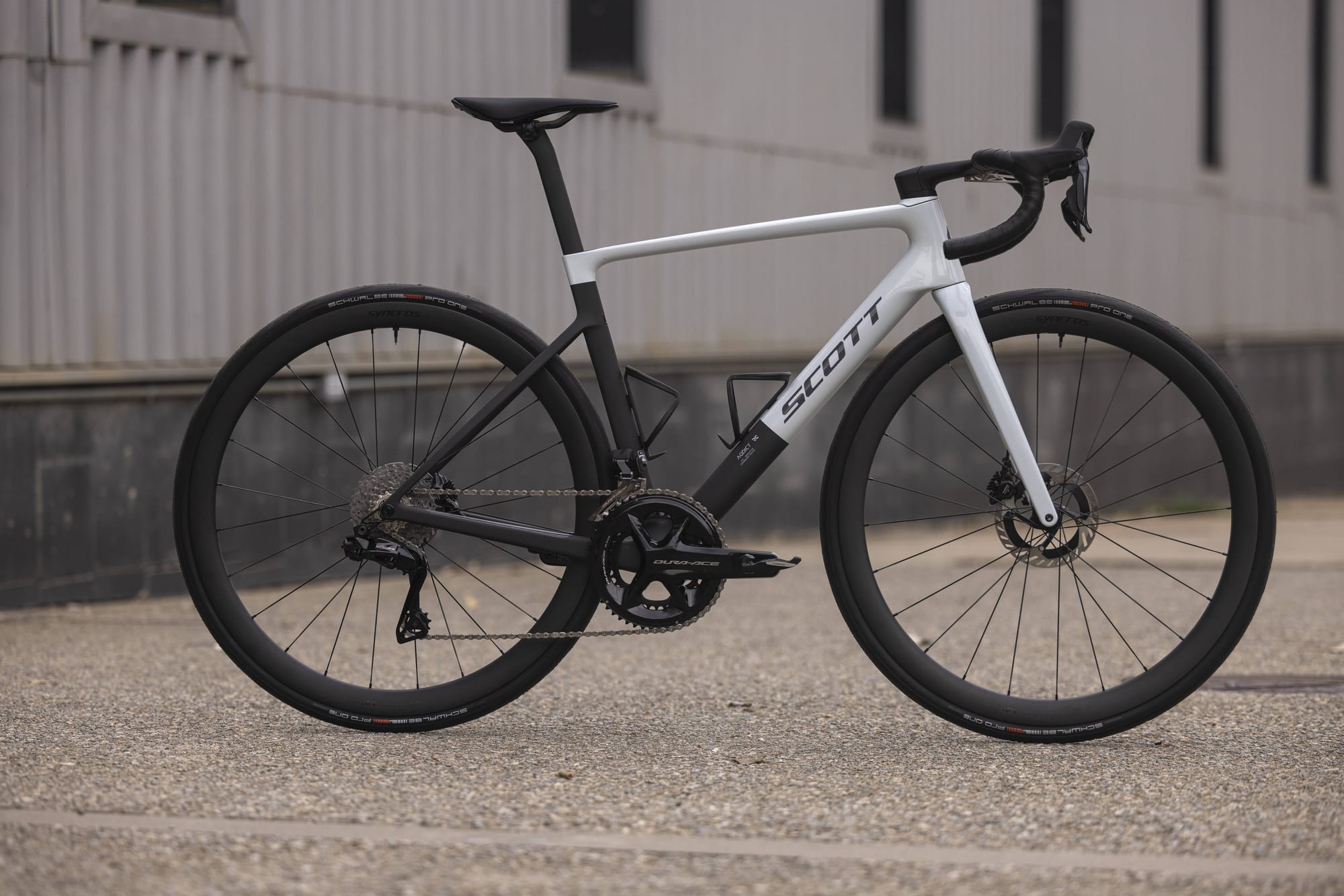
However, taking only one step down in the Addict RC range, the prices become far more competitive. At £8,600 / $9,000, the RC Pro uses the more regular HMX frame with a Shimano Dura-Ace groupset, Syncros Capitol 1 SL wheels (that use a traditional steel spoke design). With a 6.8 kg claimed weight, at least on paper, it outperforms a number of its mainstream competitors in terms of build kit and weight.
There are also two Ultegra Di2 builds and a 105 Di2 build that complete the current range.
But it’s the RC Ultimate that goes on the hunt for every gram. This top-tier model swaps Scott’s HMX carbon for its HMX-SL layup – a higher-modulus blend that’s paired with a new construction process at a different manufacturing facility entirely.
The goal? Drop weight wherever possible without compromising stiffness or ride quality. One neat trick: the internal bladder used in the fork’s moulding, normally left inside due to the fork’s tight internal shapes, can now be removed thanks to revised tooling. The gain is small, but when your target is a 5.9 kg complete bike, every gram counts.
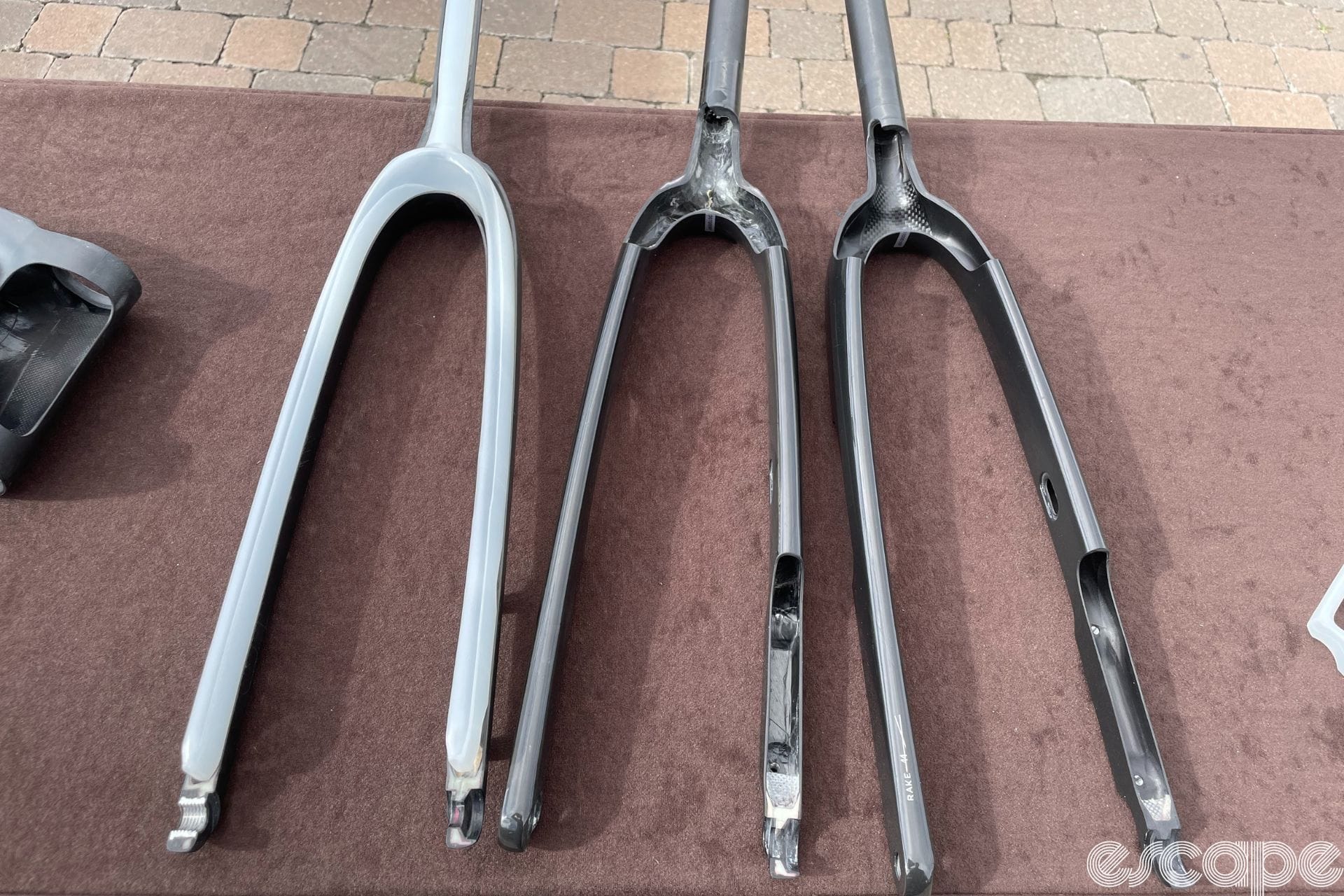
The diet doesn’t stop at the frame and fork. Scott has chipped away at the rest of the package, saving a further 253 grams through revised proprietary components. In total, that’s 474 grams trimmed off the HMX model and 468 grams from the HMX-SL. For a bike that was already impressively light, shaving off the better part of a pound is no small feat.
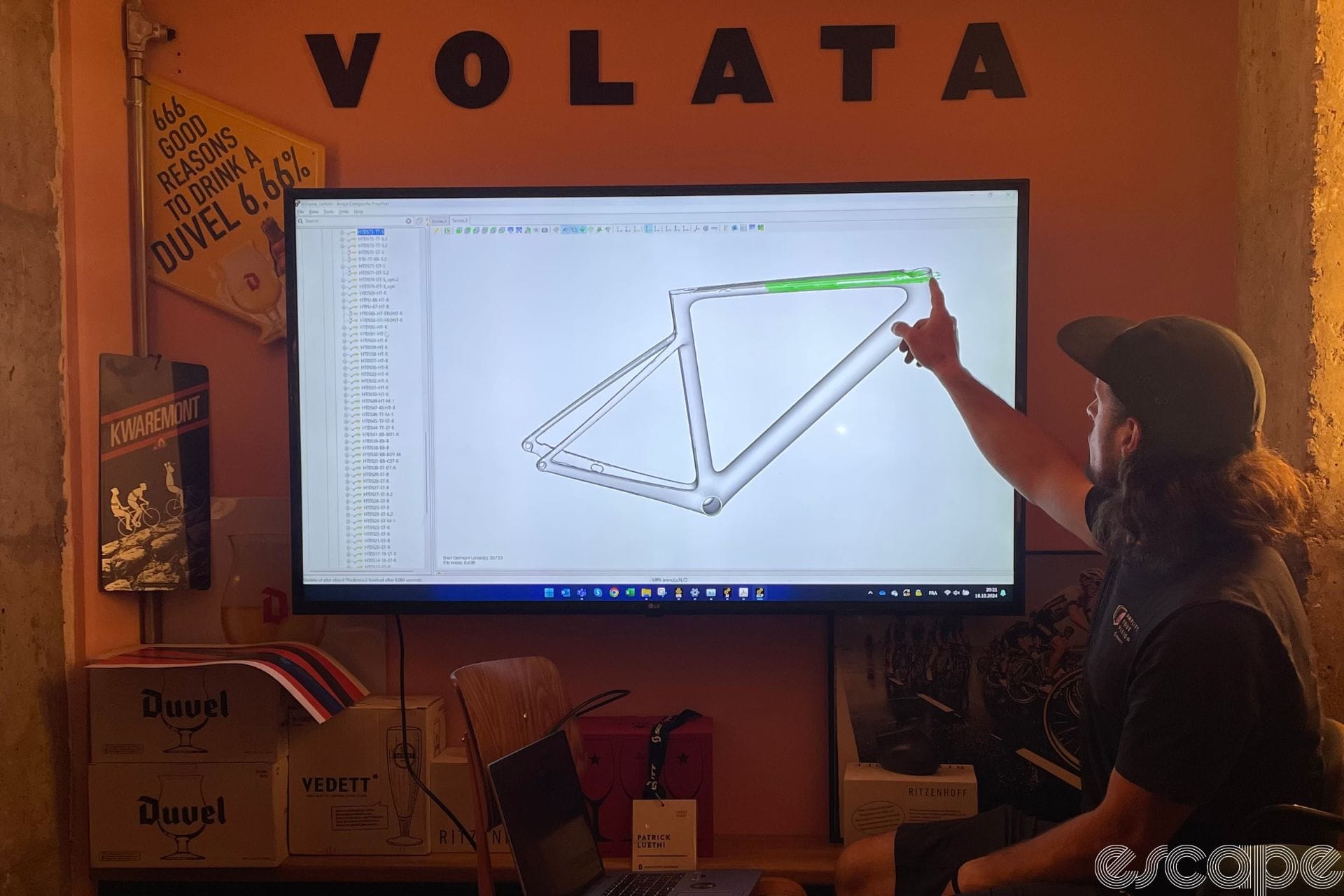
Some of that saving comes down to the clever use of FEA (Finite Element Analysis). One key area was the seat tube. Where the previous Addict RC had consistent wall thickness throughout, the new version thickens material around the clamp zone and thins it back elsewhere. More strength where needed, less where it’s not.
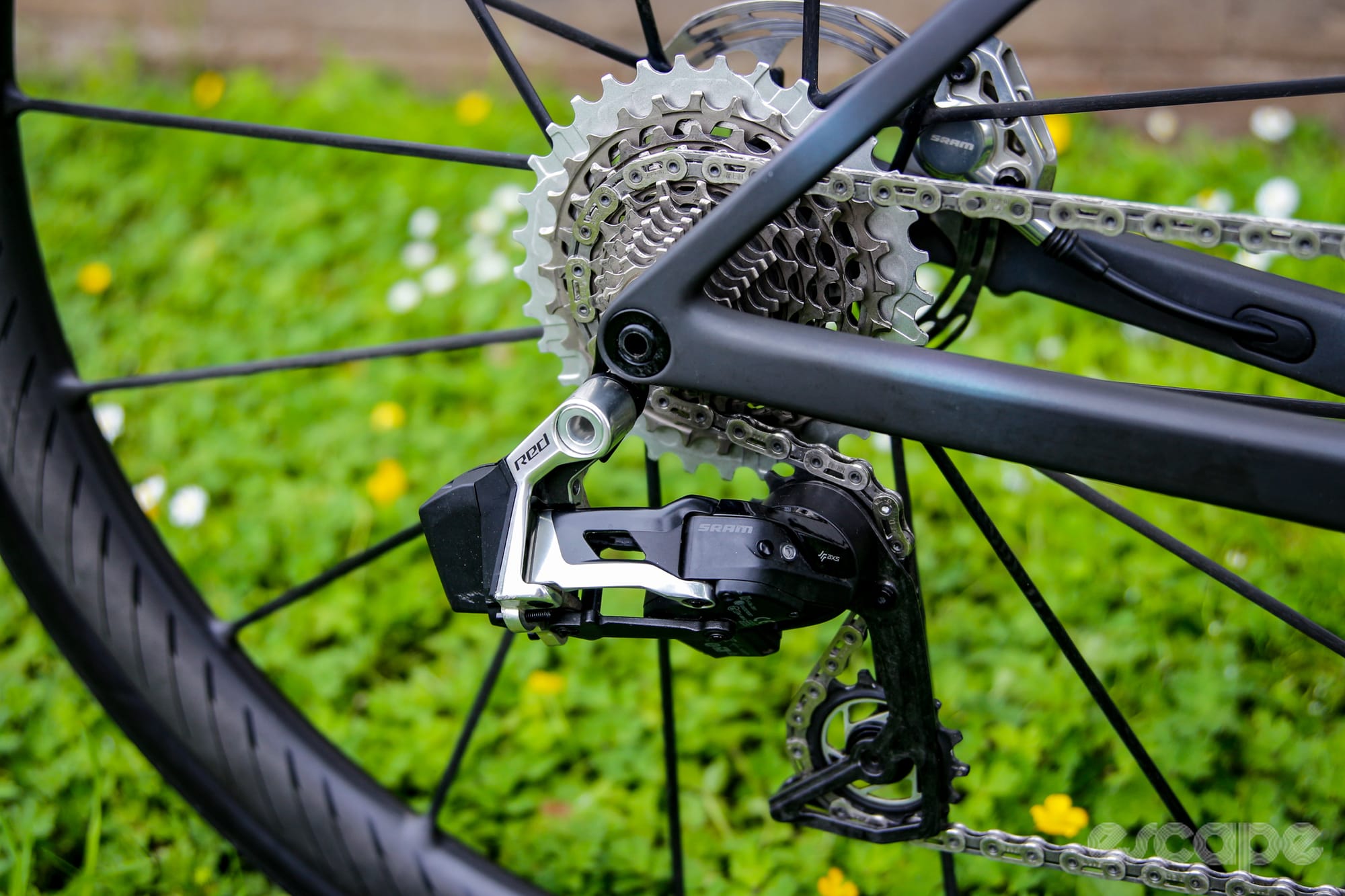
As for the bottom bracket, Scott is sticking with PF86. It was one of the first brands to embrace press-fit, and it’s not backing down now. The brand argues that, tolerances permitting, it’s still the lightest and most mechanically sound way to mount bearings in this part of the frame. Not everyone will agree, but Scott’s not here to please the threaded-BB purists. The brand has also foregone a UDH, favouring the brand's own design. This might be a sticking point for some and does remove the potential for running a newer SRAM XPLR derailleur or perhaps anything else that uses the Full Mount interface in future.
Much like almost all high-end road bikes these days, Scott has fully integrated the brake hoses through the headset. As aesthetically pleasing as this is, it does make otherwise simple maintenance tasks far more involved. As much as I am not a fan of through-headset routing, in the seven months I spent on the bike, I encountered no issues with the headset that would have required stripping down the front end. Considering a decent portion of this was through a British winter, the durability of the headset is commendable, and it lessens my negative feelings towards the hose routing.
Did we do a good job with this story?