


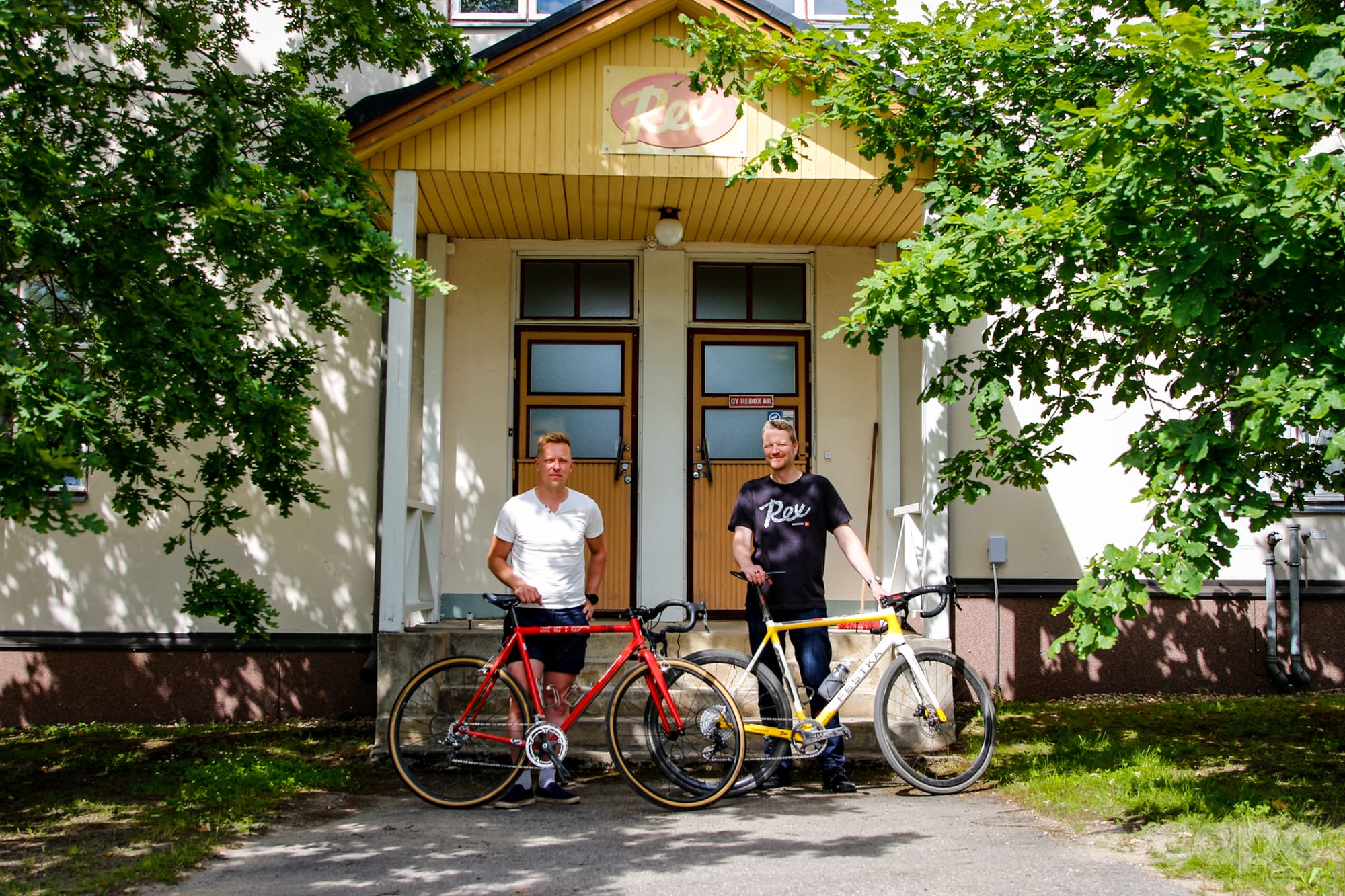
"Guess we've been lucky in how it's gone and how well we've done," shrugs Antti Peltonen, CEO of Rex. It's a typically understated, Finnish response, delivered over plates of hearty lunch at the local golf club on a bright summer day.
The time is barely past noon, standard for Finnish lunch, and across the table sit Peltonen and Juuso Liukkonen, Rex's CTO. Together, they run a company that over the decades has garnered a firm reputation among skiers, and more recently, cyclists. Despite their products topping testing charts as some of the best-performing chain waxes on the market, both men are rather soft-spoken and lack the big marketing speak of their anglospheric rivals. And that pragmatic stance matches their rural surroundings in Hartola, a small town of 2,500 residents in southern Finland.
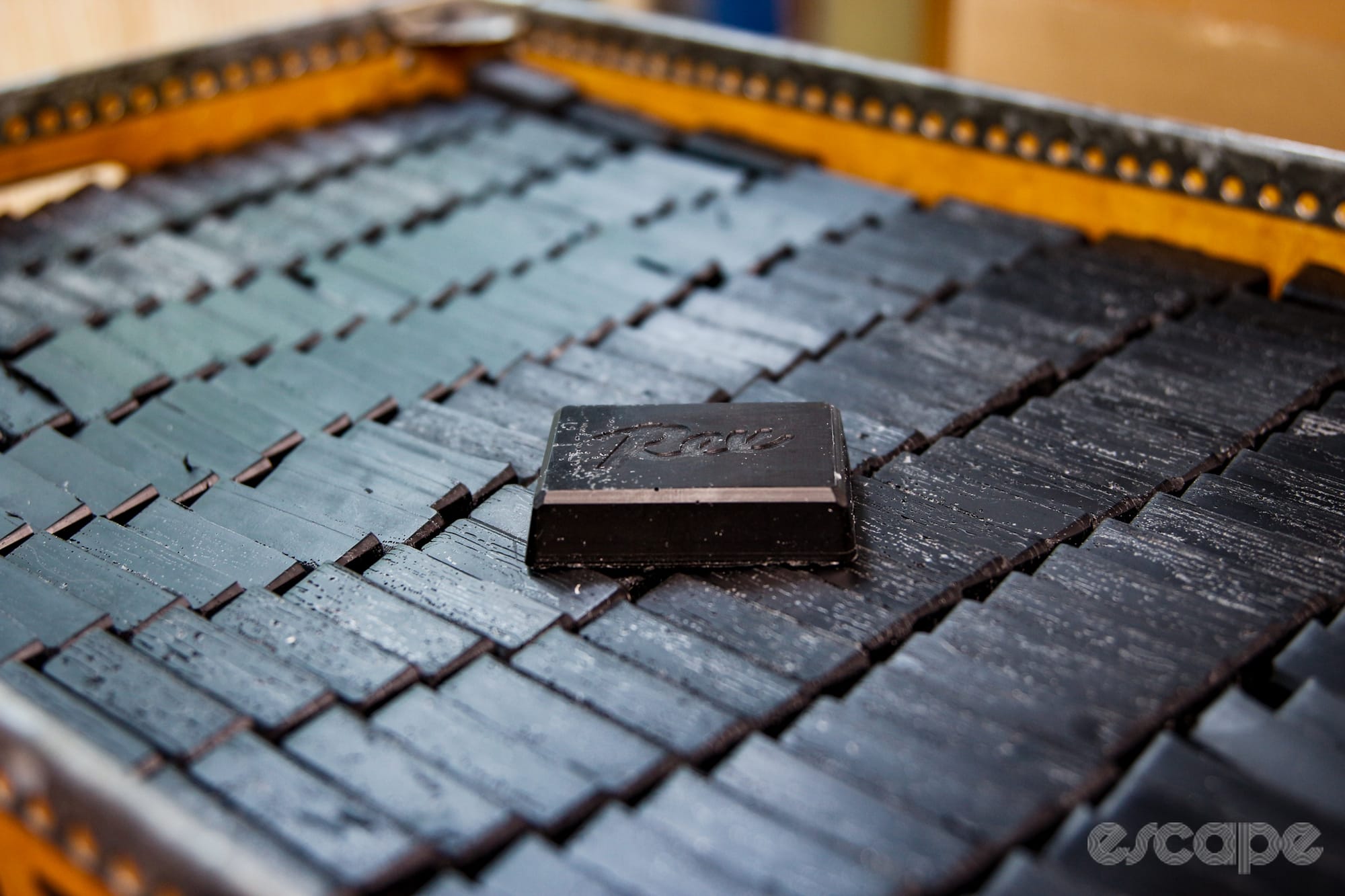
Admittedly, chain wax isn't something that seems glamorous to cover, nor especially complicated to make. Surely you just melt some wax and pour it into a mould? That was my assumption, too, and after I spent a day at Rex's headquarters and factory, I can't tell you that it's the most exhilarating production line – but there are parts to making both chain wax and ski wax that are not common knowledge, nor will they ever be.
It turns out the alchemy of chain wax, especially at Rex's level, mixes rounds of trial and error with inherited know-how and willingness to experiment, all finished with a healthy sprinkle of trade secrecy.
As such, a lot of the specifics of what goes into a chain wax remain a secret. Even so, it’s fascinating to see how a 11-person, family‑run company in rural Finland has managed to carve out space in a crowded, hype‑heavy market.
From Olympic torch to ski wax
Rex's story didn't start with bikes, or even with skiing, but with a torch. In 1952, Helsinki hosted the Summer Olympics, and back then, the small Finnish company named Redox (Rex’s official name) supplied the fuel blocks for the torches — more than 1,600 of them, including the one carried into the stadium by Paavo Nurmi, the decorated Finnish distance runner. The blocks were wax mixed with tree resin, each engineered to burn for half an hour.
The block was developed by the young company, founded only a couple of years earlier by three chemists who had struggled through a ski trip in Lapland on poorly gliding skis, and decided they could do better. After the torch order gave the company a hefty starting point, ski wax became its focus, and over the following decades, Rex became one of the most well-known Finnish names in the space.
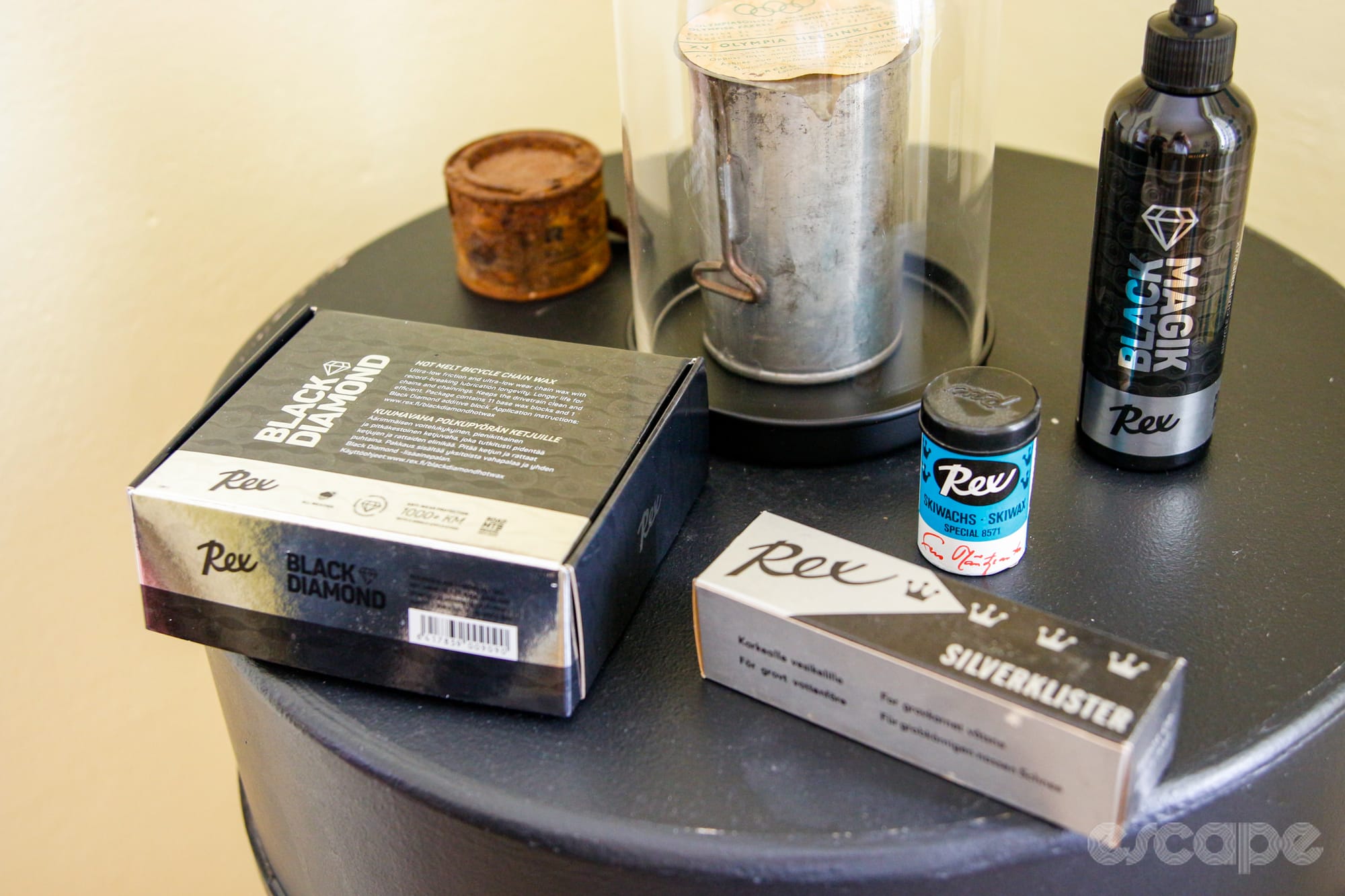
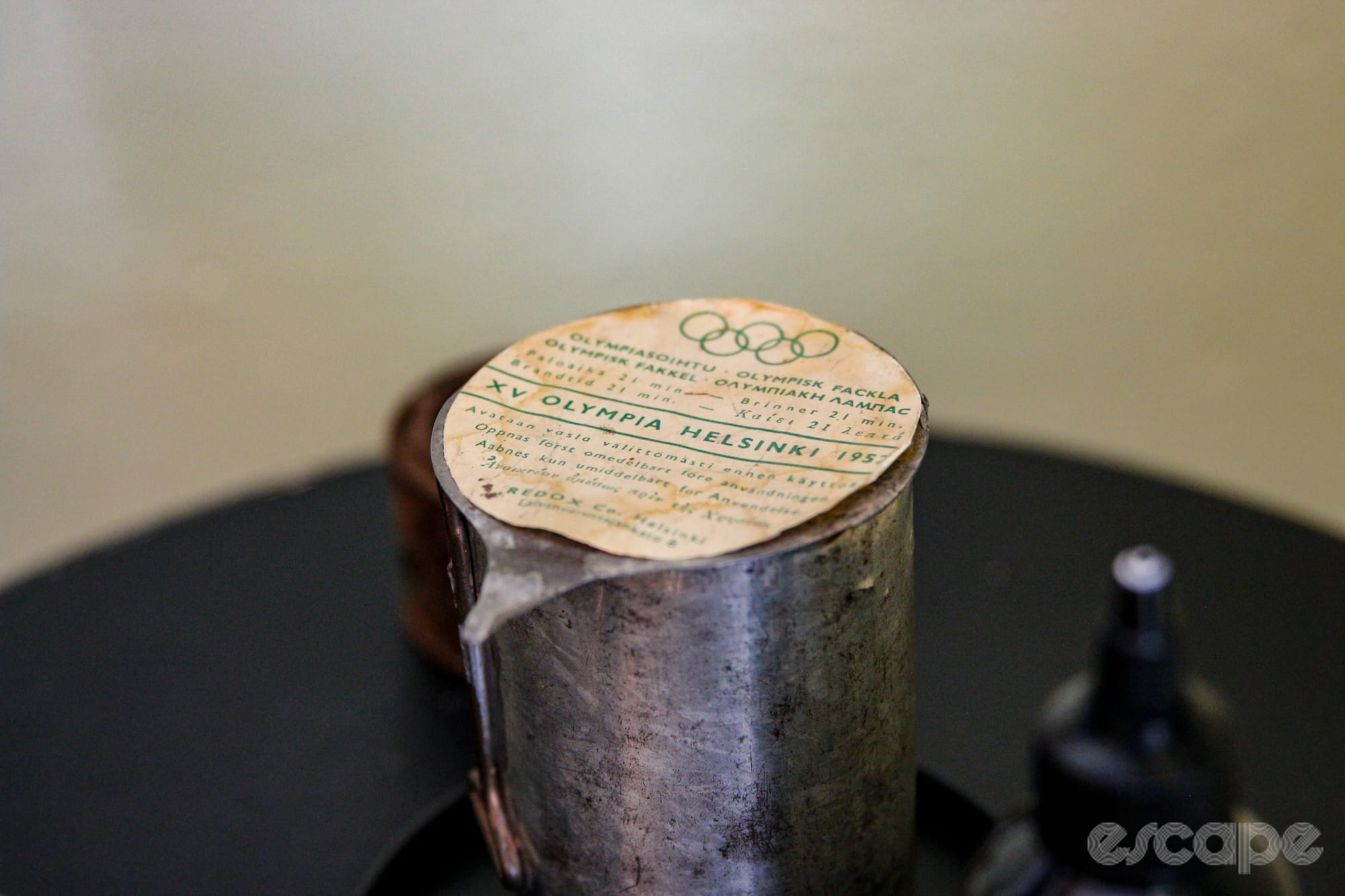
One of those original torches now sits under a glass dome in the Rex office, a reminder of where things began. From that torch that ignited the spark, Rex has grown a catalogue of more than 100 products.
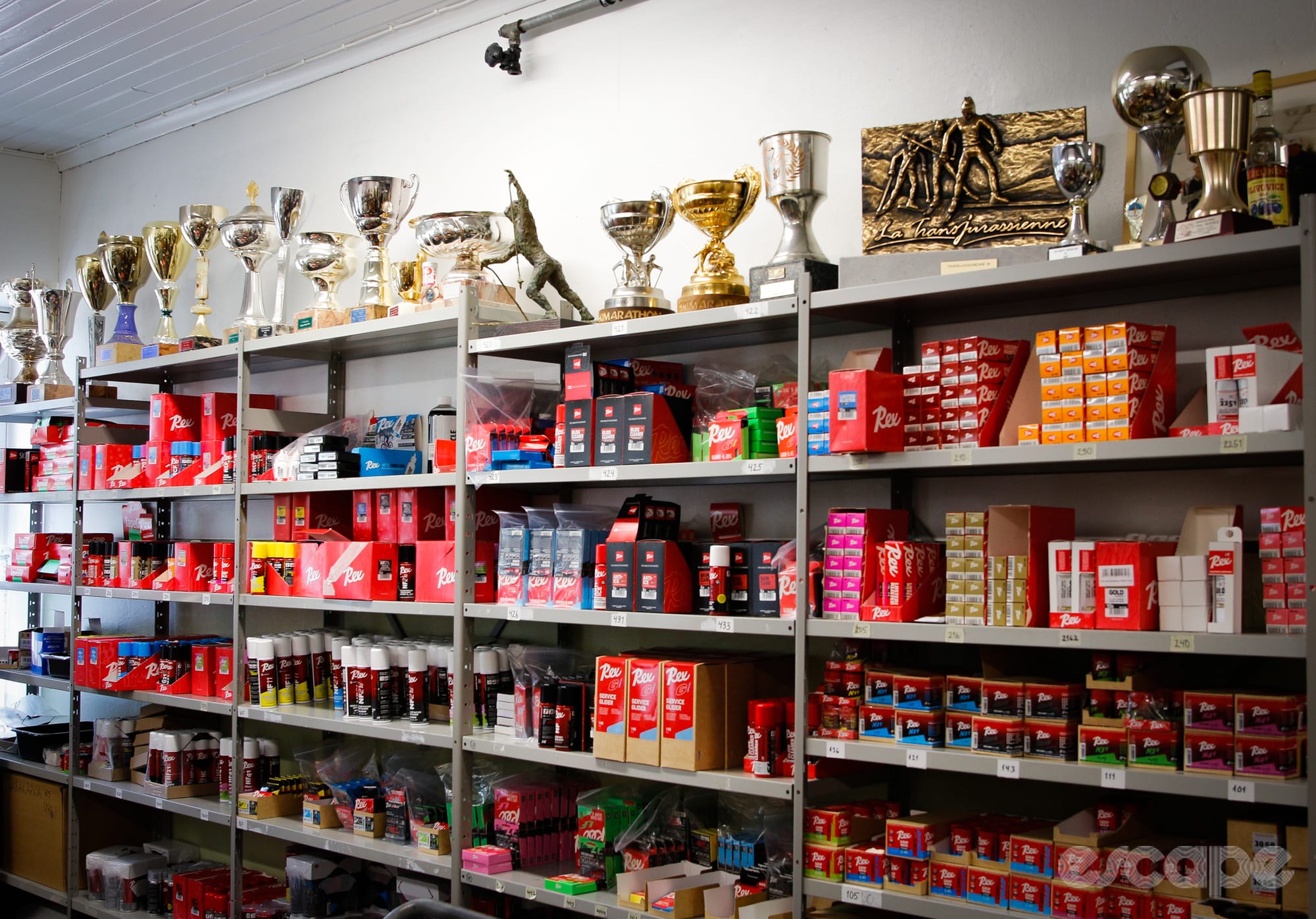
Despite that vast product line, for cyclists, Rex is still more unknown. The brand currently only has a handful of bike products, but that's something Peltonen says they're keen to change.
Did we do a good job with this story?