
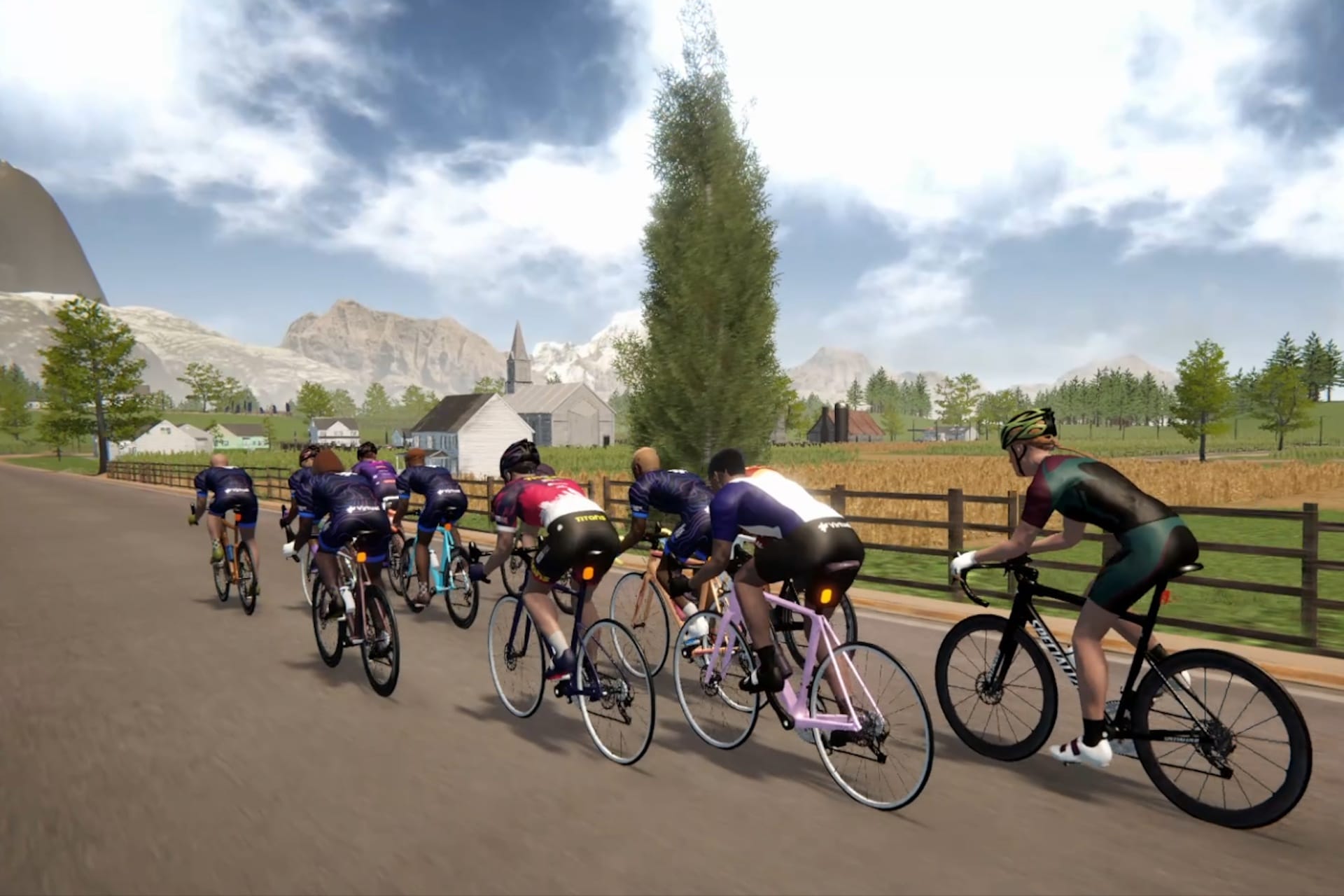


Created by the former chairman of the Zwift Cycling Esports Commission, and backed by a loyal community of discerning competitors, indieVelo seemed poised to fill the online racing niche. But in late 2024, the one-person project was acquired by training software company TrainingPeaks and many committed users began questioning indieVelo's future direction.
What began as a crusade for credible esports racing is now backed by the philosophy and culture of one of endurance sport’s most trusted coaching companies. At stake is more than just racing or training: it’s the question of whether virtual cycling can evolve into a tool that makes athletes faster in the real world.
Has nothing changed?
It's now more than 10 months since the acquisition of his independent passion project, indieVelo, made George Gilbert the first vice president of virtual platforms at TrainingPeaks. He tells Escape, "I genuinely think that vision hasn't really changed at all."
The Cambridge-educated PhD astrophysicist, whose work centered on studying black holes and quasars, should know a thing or two about change. Especially when considering that the virtual cycling metaverse is in a continual state of flux, and in recent months has shown a clear trend toward consolidation and specialization. For example, Rouvy solidified its position by acquiring FulGaz in January 2025 and Bkool in July 2025 – a move CEO Petr Samek said propelled them to "the clear number two in the indoor cycling market." That industry convergence was actually preceded by TrainingPeaks’ own move to integrate indieVelo on October 29, 2024.
 Chris Schwenker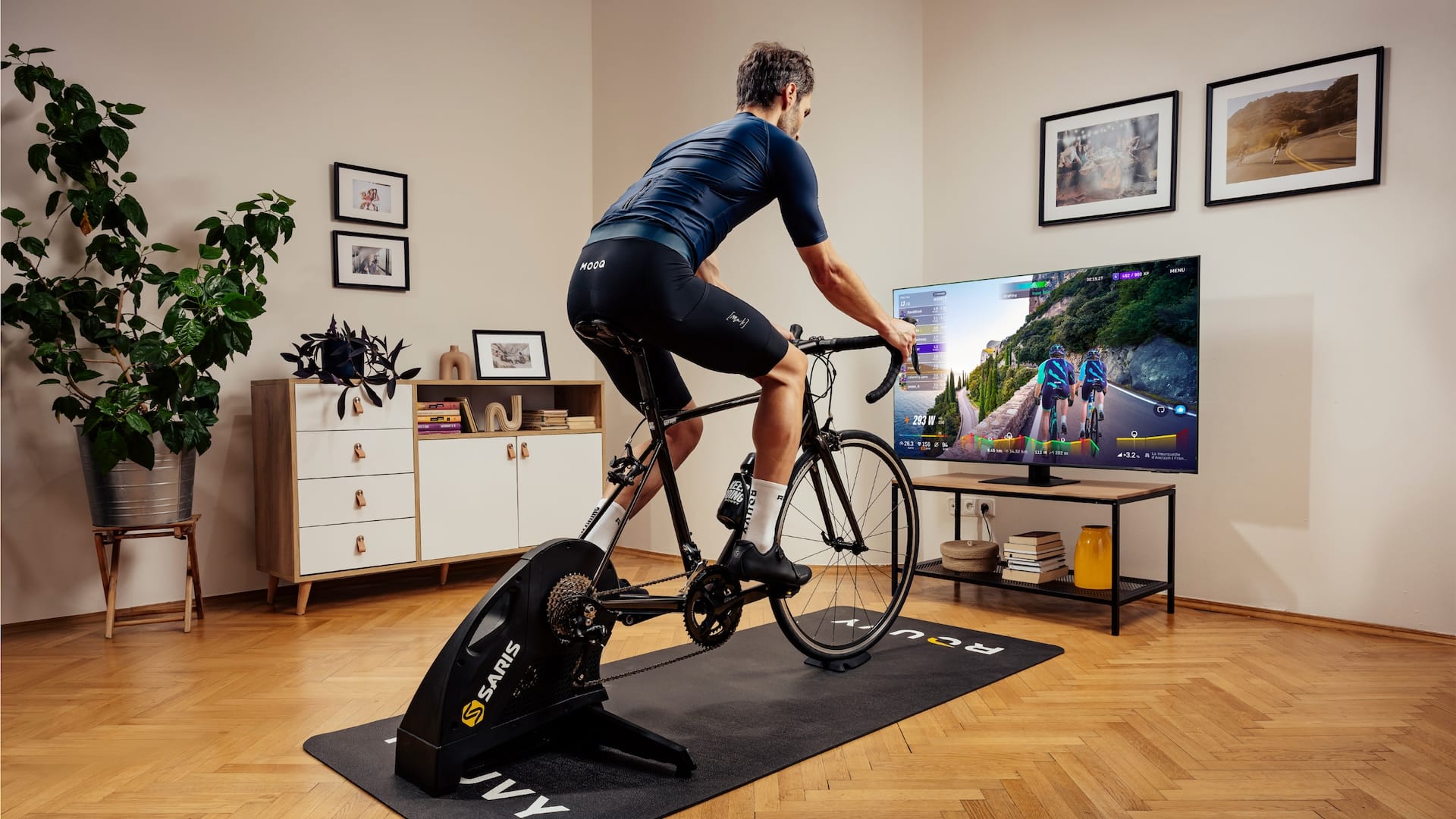
indieVelo began as Gilbert’s solo venture, coded from his spare bedroom. The pace of his innovation and the platform’s rapid evolution caught the eye of TrainingPeaks’ C-suite, who saw the potential to fold it into their broader ecosystem. That decision led to indieVelo moving under the TrainingPeaks umbrella and rebranding as TrainingPeaks Virtual (TPV). The upstart offshoot quickly became part of an established company’s long-term strategy, shifting from independent experiment to corporate product almost overnight.
Did we do a good job with this story?